2025.09.30
TICAD Activity Report (2):
The 4th African Clean Cities Platform (ACCP) Assembly
The 4th African Clean Cities Platform (ACCP) Assembly was convened in Yokohama on August 20-21, 2025 as a thematic event of the 9th Tokyo International Conference on African Development (TICAD9).
OECC worked closely with the organizers – the Ministry of the Environment, Japan (MOEJ); the Japan International Cooperation Agency (JICA); the City of Yokohama; the United Nations Environment Programme (UNEP); and UN-Habitat – to deliver the Assembly.
What is the African Clean Cities Platform (ACCP)?
– A Platform for Improving Waste Management in Africa –
The need for a platform to improve waste management in Africa was first recognized at TICAD6, held in Nairobi, Kenya in 2016. To contribute to the achievement of the Sustainable Development Goals (SDGs) by facilitating knowledge and experience sharing on waste management, strengthening human and institutional capacity, and promoting investment, the ACCP was established in April 2017 under the leadership of MOEJ, JICA, and the City of Yokohama together with other partners.
As of May 2025, the Platform has grown to include 198 cities from 47 African countries.
Holding of the 4th ACCP Assembly as a Thematic Event of TICAD9
TICAD9 was held in Yokohama on August 20-22, 2025. During the first two days of the conference, the 4th ACCP Assembly was convened as one of its thematic events.
The Assembly provided a platform for sharing knowledge and exchanging views on the waste management challenges faced by African countries.To deliver the event, OECC worked in close collaboration with the organizers -MOEJ; JICA; the City of Yokohama; UNEP; and UN-Habitat. In addition to moderating the High-Level Opening Session, Keynote Lectures, and the Special Session, OECC also organized the inauguration reception announcing the establishment of the “MOE Japan Fund for Project Development Facilitation for Better Waste Management in Africa,” targeted at ACCP member countries and cities.
High-Level Opening Session and Keynote Lectures
|
|
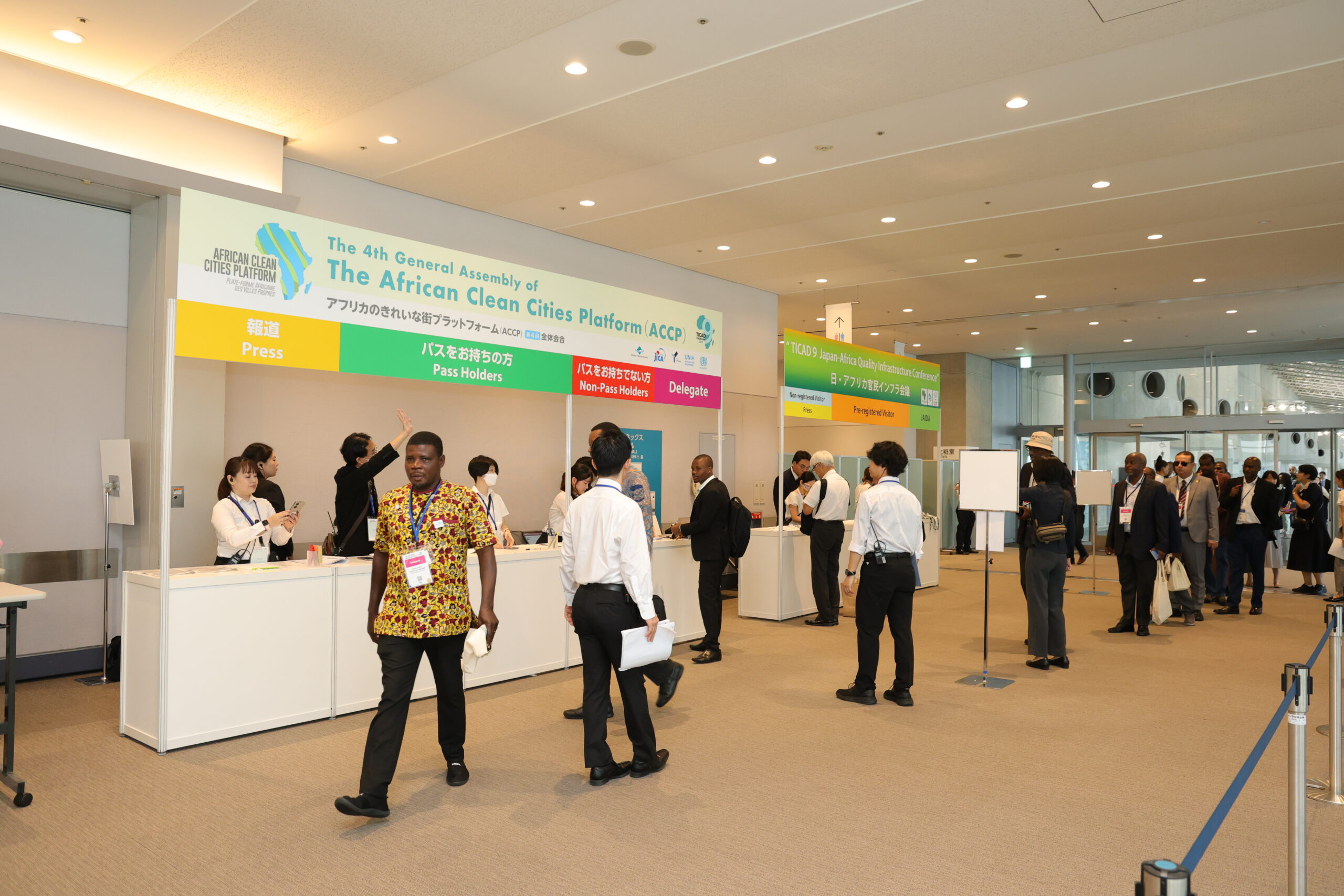
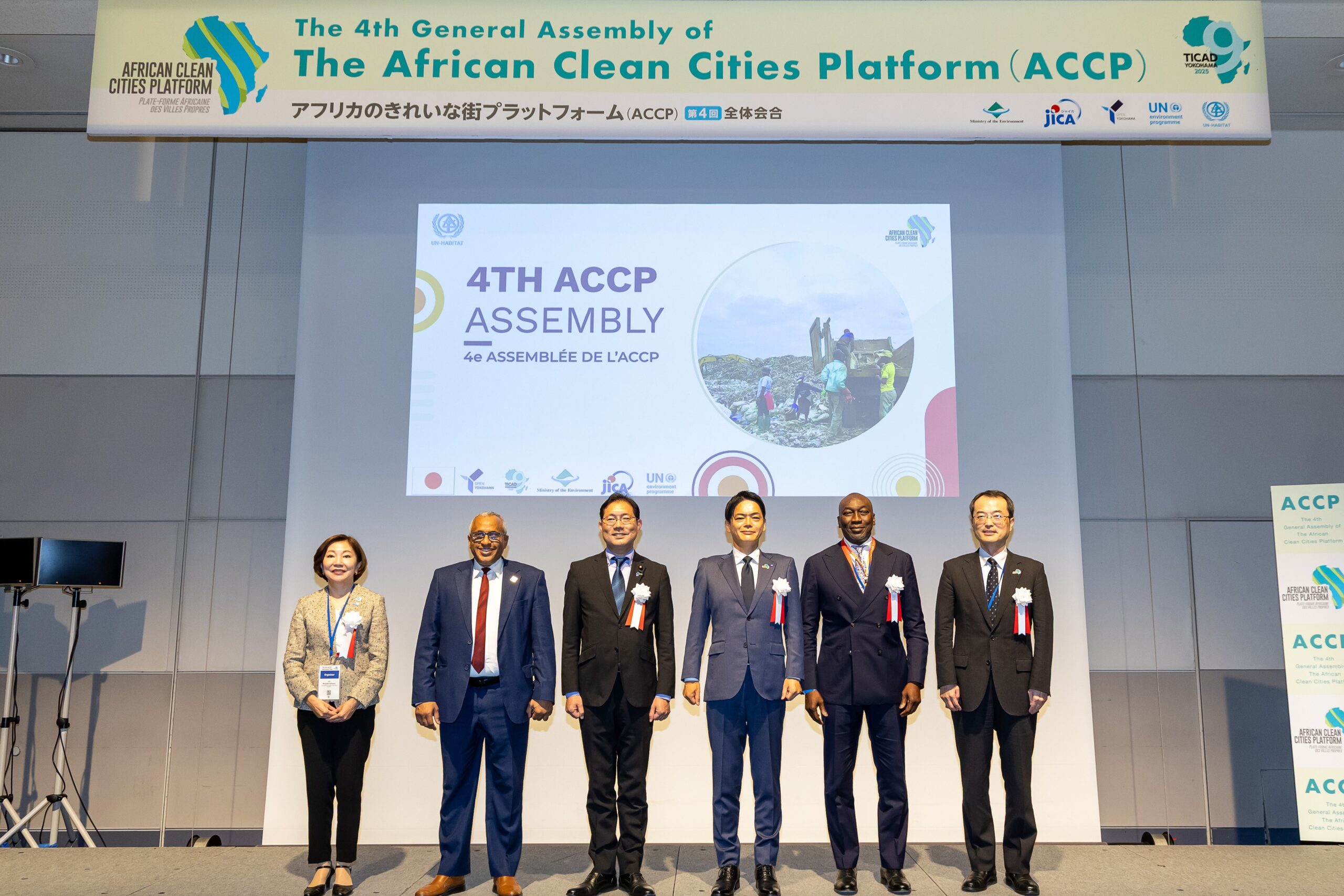
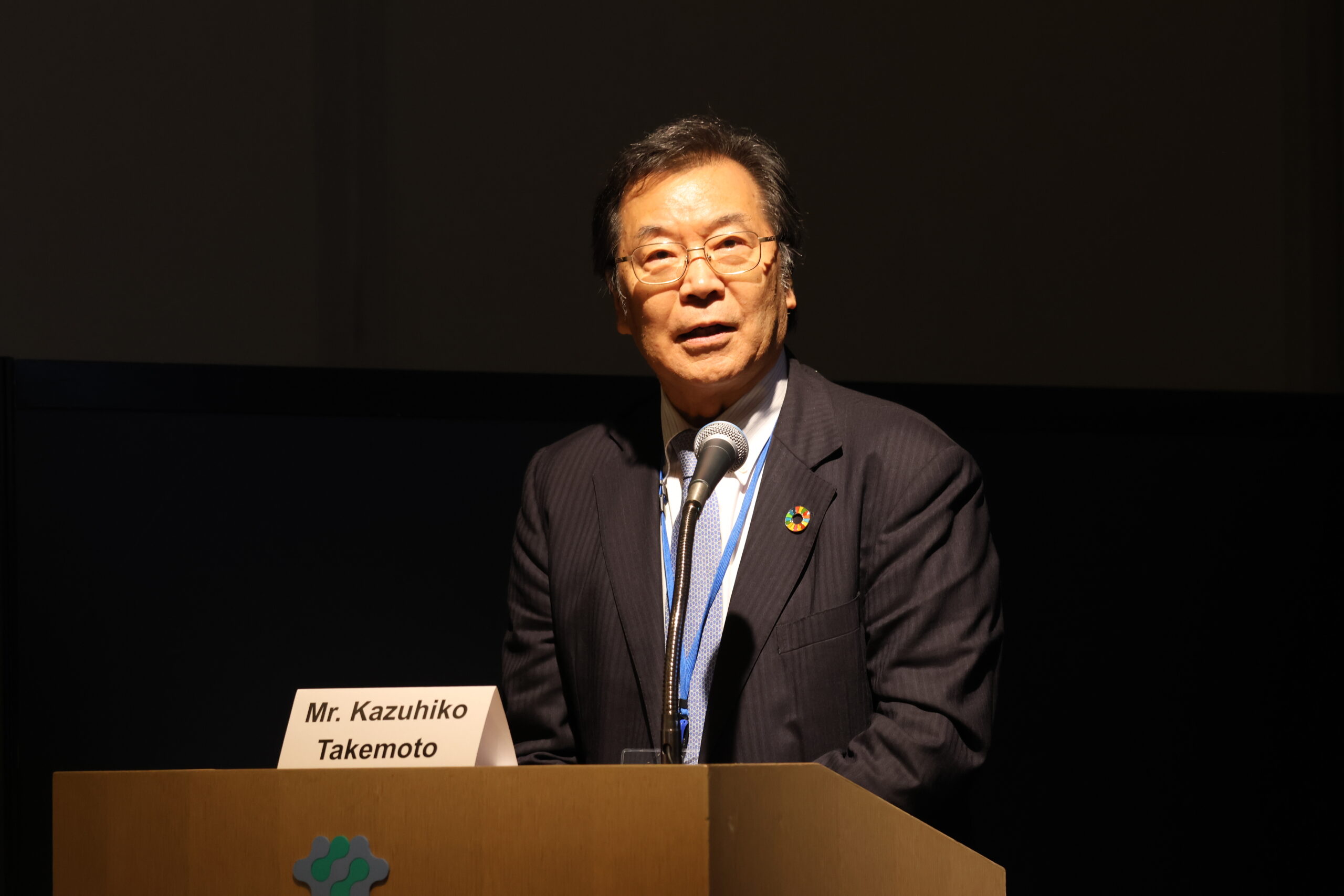
The ACCP Assembly opened under the moderation of Dr. Takemoto, President of OECC. Following the commemorative group photo session, opening remarks were delivered by Mr. Katsume, Parliamentary Vice-Minister of the Environment, Japan; Mr. Yamanaka, Mayor of Yokohama; Mr. Ishaku Maitumbi, Sub-Regional Head, Regional Office for Africa, UN-Habitat; Ms. Miyazaki, Vice President and Chief Sustainability Officer (CSO) of JICA; Ms. Rose Mwebaza, Director, Regional Office for Africa, UNEP; and H.E. Ibrahim Al-Arabi Munir, Minister of Environment of Libya and President of AMCEN.
In the remarks, the Assembly’s aim to adopt the “New Yokohama Action Guidance,” which will guide ACCP activities for the next three years, was highlighted. Japan’s continued commitment to sharing knowledge and experience gained from its urban waste-management practices, as well as to supporting waste-management initiatives across Africa, was also noted.
Building on these points, Japan’s broader development-cooperation efforts in Africa’s waste-management sector were underscored, with appreciation conveyed for the sustained leadership demonstrated by Japan and ACCP partners. The importance of sound waste management in creating opportunities for public health, innovation, and circular-economy growth was further emphasized.
In the Keynote Lectures, Professor Koji Matsufuji of Fukuoka University delivered a presentation on international cooperation in waste management using the semi-aerobic landfill structure known as “Fukuoka Method.” His presentation drew strong interest from participants, particularly regarding its applicability in Africa. This was followed by a video message from Professor Melanie Samson of the University of Johannesburg, who shared South Africa’s efforts on “Waste Picker Integration,” an initiative aimed at recognizing and strengthening the role of waste pickers and establishing a systematic recycling system built on existing practices of collecting and re-valuing materials. The session concluded with a presentation by Ms. Jinno, Associate Programme Management Officer at UN-Habitat, who reported on the progress and achievements related to the Tunis Action Guidance within the ACCP framework.
Special Session
|
|
|
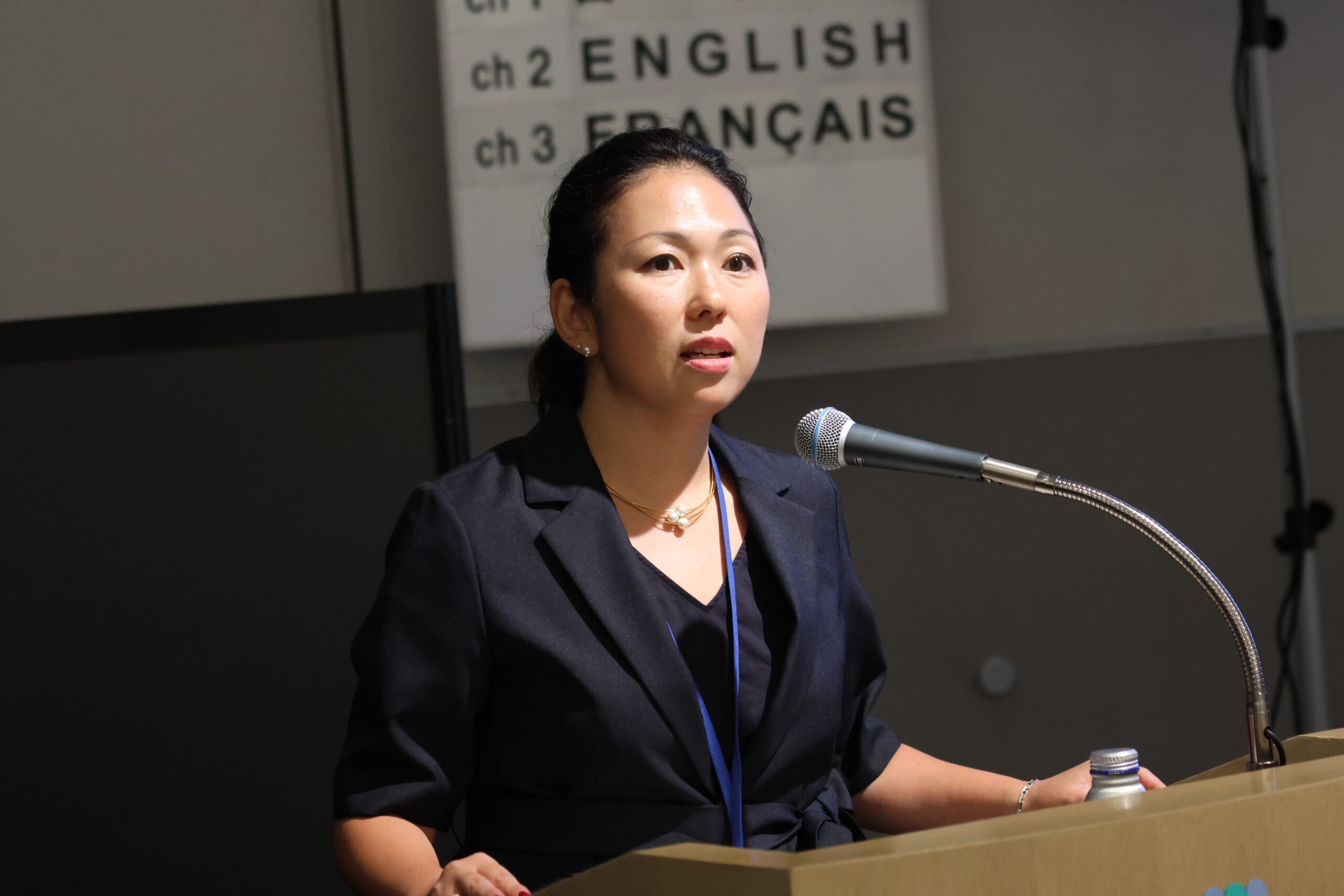
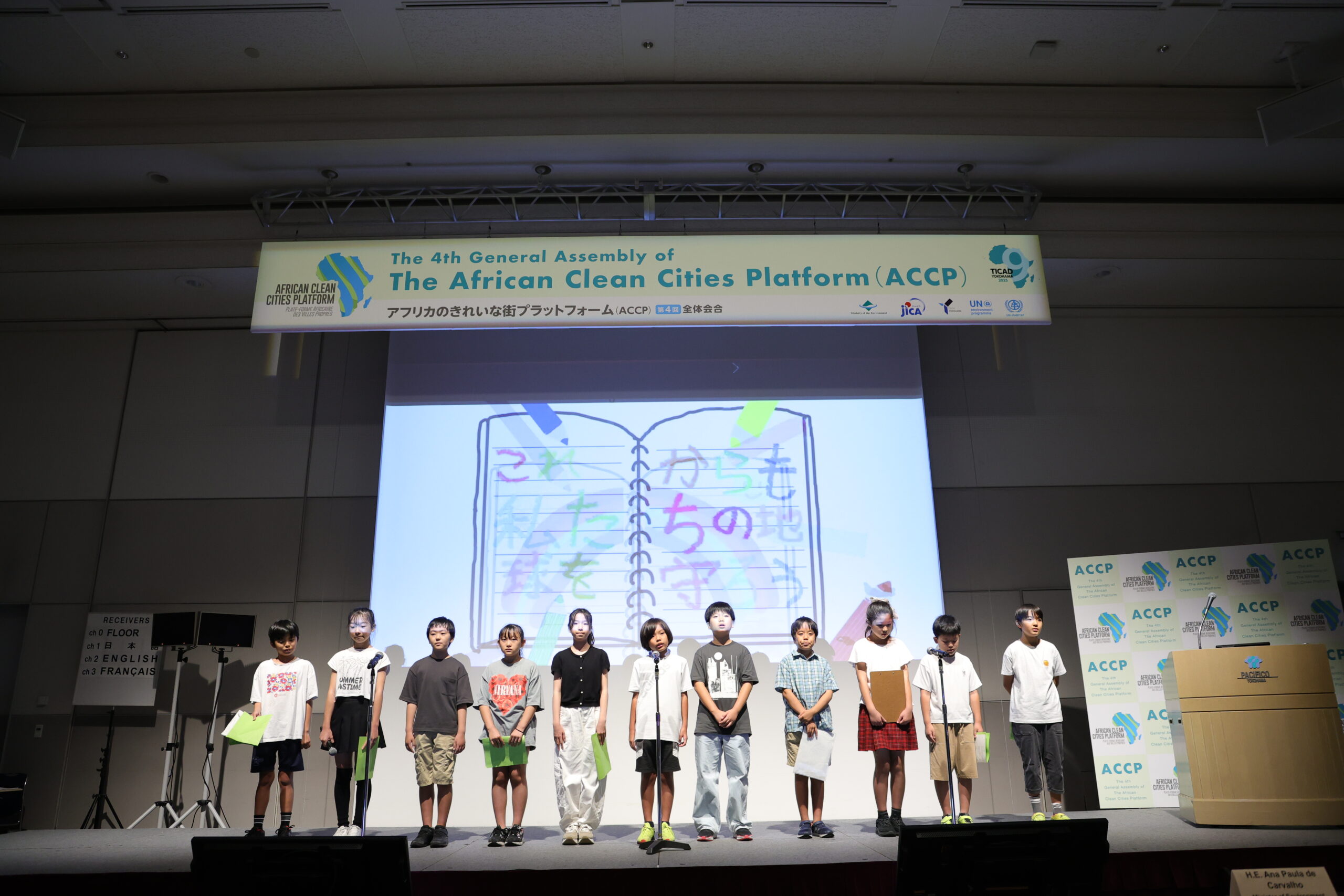
Under the moderation of OECC Project Leader Marabini, experiences were shared on “Yokohama City’s Initiatives: Waste Management and Collaborative Efforts with Citizens,” along with lessons learned from the activities of students at Minatomirai Honcho Elementary School.
The presentation by Yokohama City introduced the city’s historical journey – from a time when rapid population and economic growth posed significant waste-management challenges to the establishment of the effective waste-management systems seen today.
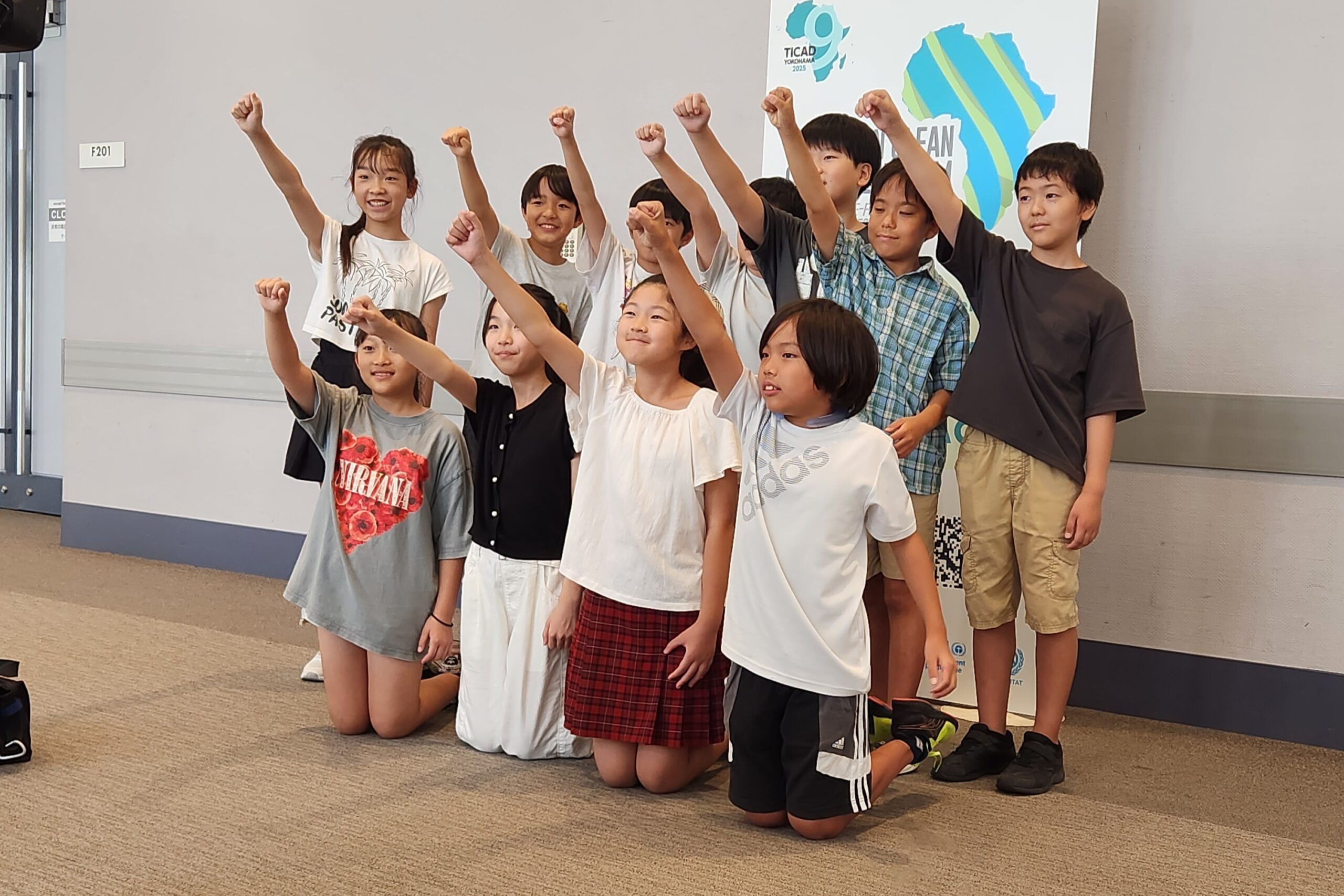
The students of Minatomirai Honcho Elementary School shared their efforts, including anti-littering awareness campaigns, dialogue sessions with experts, the creation of practical items and art pieces from waste materials, and the composition of school-song lyrics inspired by SDGs initiatives that promote proper waste management. These activities demonstrated how their engagement contributed to raising public awareness.
At the end of the session, the students performed their school song. The inspiring lyrics, which reflected their commitment to a sustainable future, together with their wonderful singing, were met with enthusiastic applause from the audience. The students were also interviewed by local media, helping to highlight the role and potential of younger generations in shaping the future.
International Conference Planning and Management
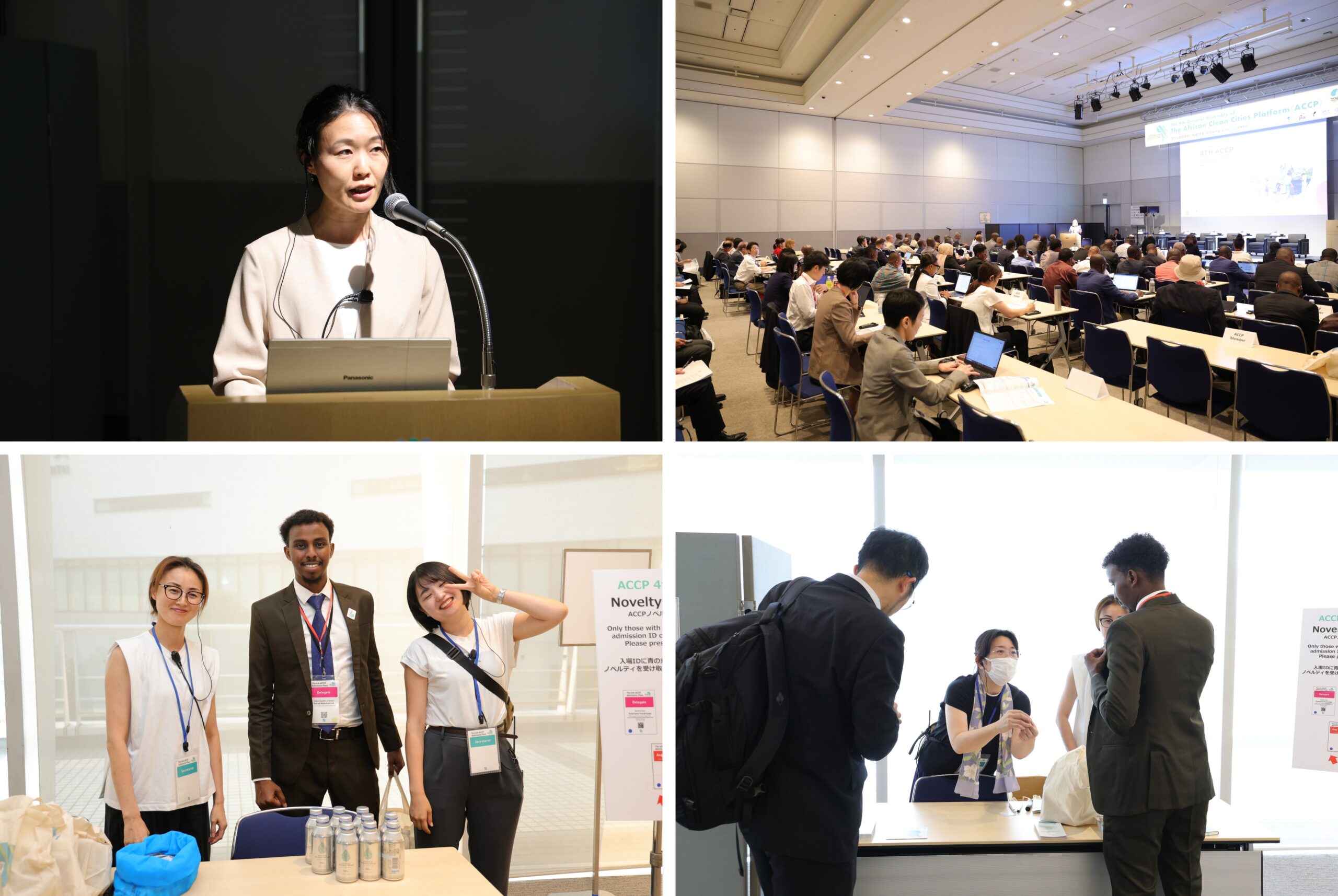
In addition to the sessions introduced above, the ACCP Assembly featured a wide range of discussions on waste-management issues. A total of 360 participants and speakers from 42 countries engaged in active and insightful exchanges, and the event concluded with great success.
Drawing on its extensive experience, OECC has organized and managed numerous international conferences of this nature. Our services ensure high-quality delivery across all aspects of conference planning and management, including technical consulting on session content, preparation of concept notes, coordination among stakeholders, speaker management, session operations, moderation, and overall logistics support.