2025.12.26
Report on the 37th Meeting of the Parties to the Montreal Protocol
―Sharing OECC’s Expertise at the Forefront of Refrigerant Management―
At MOP37, international negotiations were held on the direction of policies, technologies, and assistance with the aim of protecting the ozone layer and promoting HFC reduction. Mr. Kato, OECC Board Member, participated in MOP37, held in Nairobi, Kenya, from November 3 to November 7, 2025, as Co-Lead of Cooling Hub, Climate and Clean Air Coalition (CCAC).
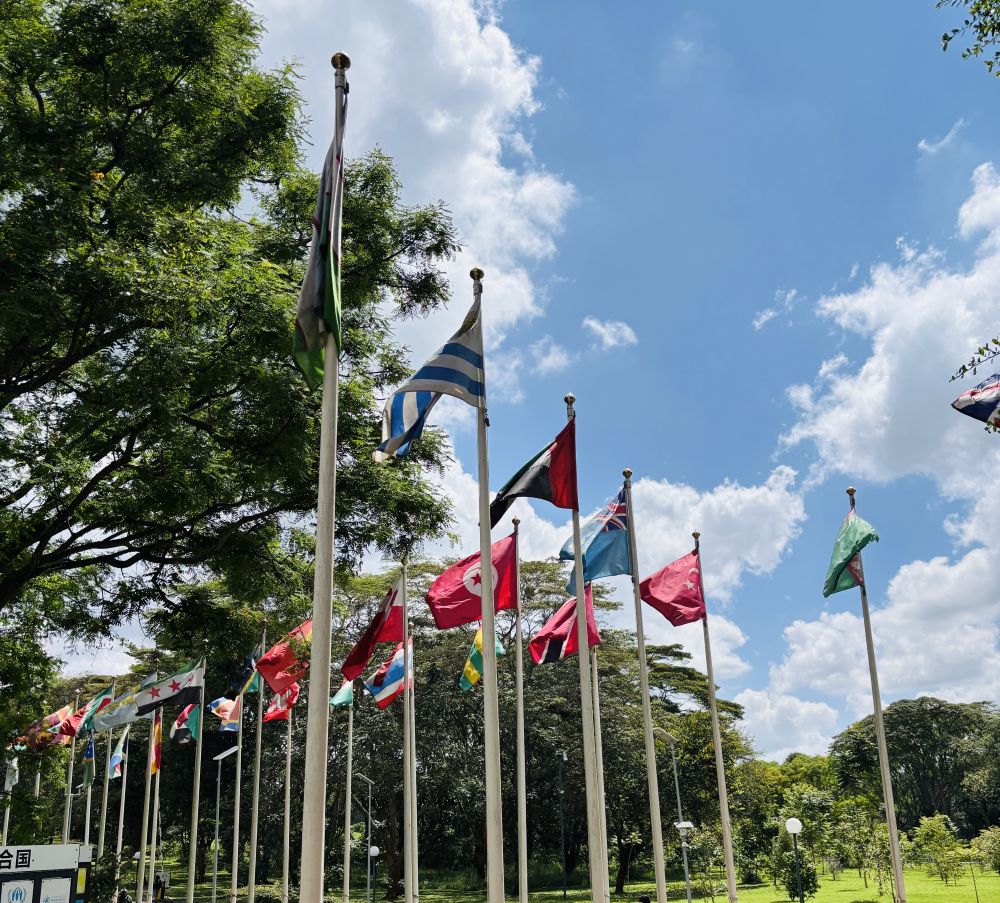
The venue brought together diverse stakeholders including national governments, international organizations, and private companies. They actively engaged in discussions on the lifecycle refrigerant management (LRM), exploring various approaches to implementing practical actions at global , regional and local levels. Progress in developing countries were shared, in particular, on development of legal frameworks, the latest examples of refrigerant recovery and destruction practices, and cross-border technology transfer and financing models, demonstrating the steady expansion of initiatives toward sustainable refrigerant management.
CCAC Cooling Hub Meeting
Over 100 participants attended CCAC meeting held on November 3, where countries and organizations shared their progress in three areas: 1) LRM, 2) Energy Conservation, and 3) Environmental Dumping.
Particularly in 1) LRM, attention focused on progress in developing legal frameworks in developing countries such as Vietnam, Turkey, Grenada, and Cambodia, as well as UNIDO’s introduction of used refrigerant destruction facilities (e.g., in Egypt and Tunisia). Reports also highlighted private sector initiatives utilizing voluntary credits for refrigerant destruction, confirming that LRM is steadily transitioning into the implementation phase.
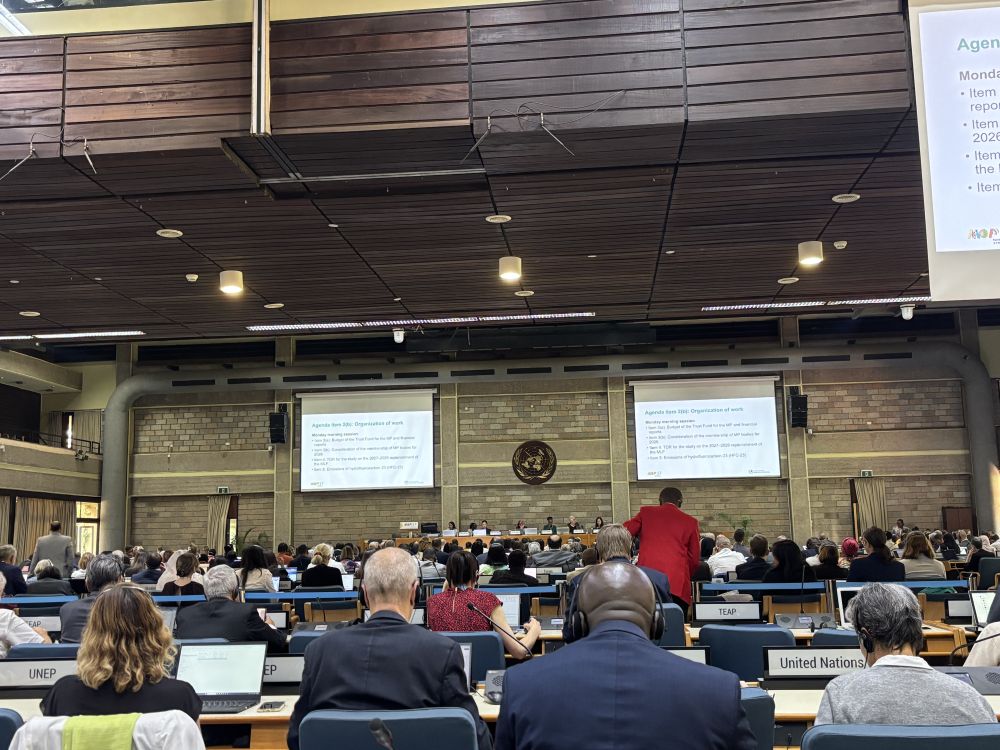
For details such as the meeting agenda, access here.
CCAC Side Event:Achieving Multiple Benefits and Quick Results through National Lifecycle Refrigerant Management (LRM) Plans
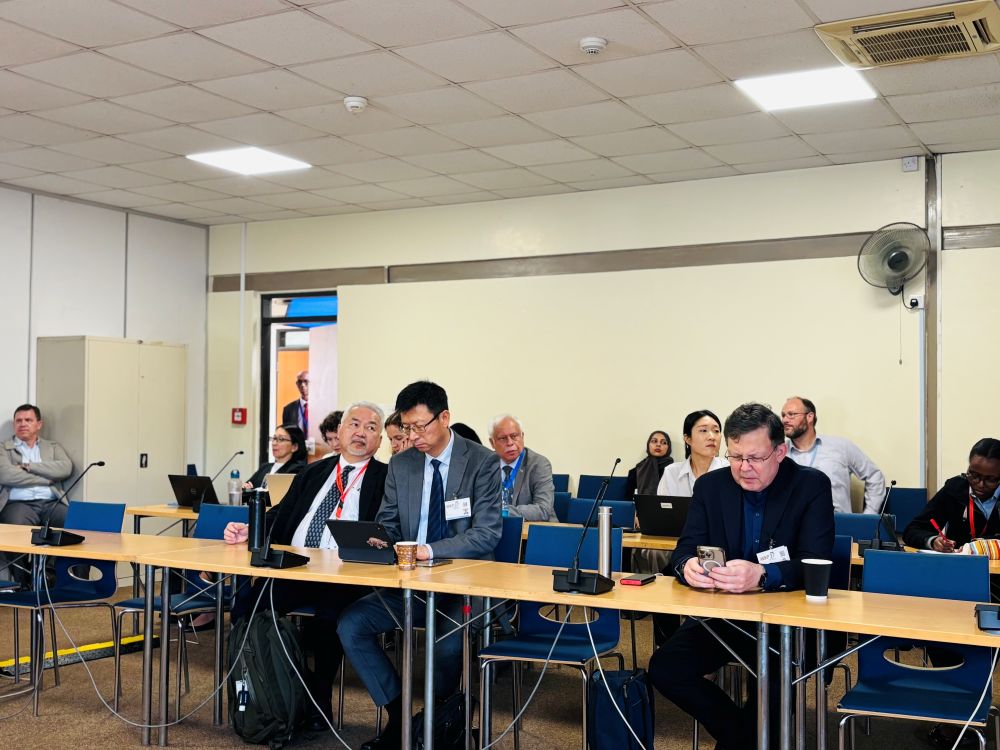
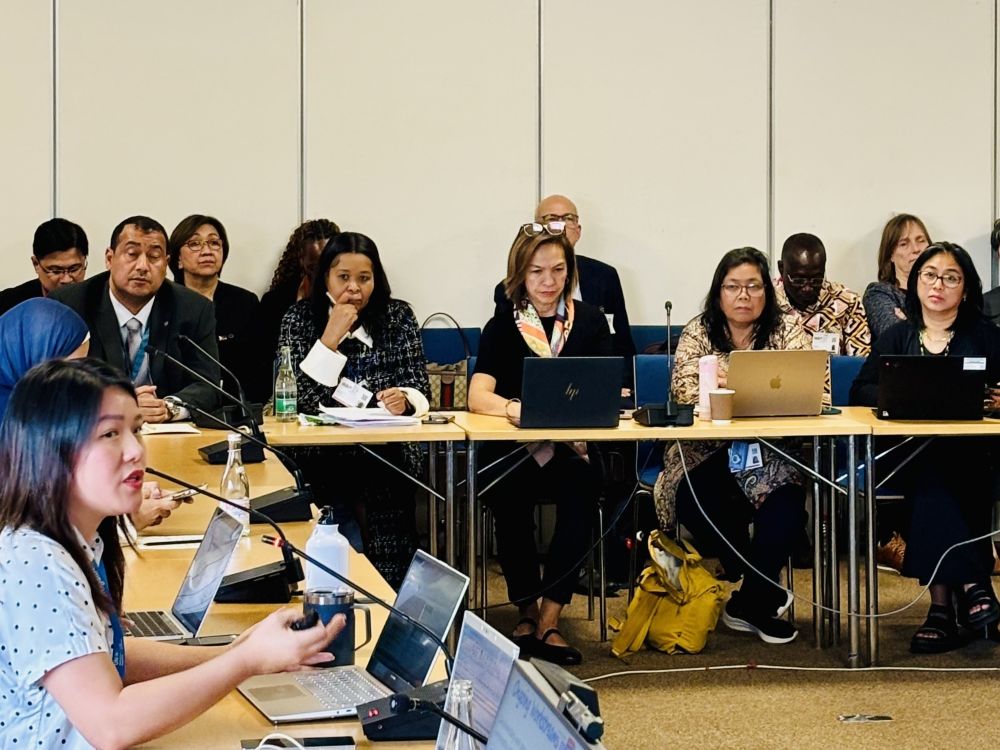
At this event held on November 4, discussions focused on LRM case studies regarding and the draft guidelines for “National Action Plans on LRM” to support countries in systematically advancing LRM. The case study presentation introduced the digital tracking system development project in Vietnam supported by the OECC. The Vietnamese government also reported plans to begin pilot implementation by private companies starting in December 2025. Regarding the draft guidelines, opinions were shared on methods for inter-ministerial coordination, clarifying the relationship with Extended Producer Responsibility (EPR) systems*, and cylinder management**, a critical element.
*EPR systems: Vietnam’s EPR system requires manufacturers and importers of products to bear responsibility for recycling and disposal after the products are used. It was introduced based on the 2020 Environmental Protection Law, Decree 08/2022, and the scope of covered products is being expanded sequentially starting in 2024. Full-scale implementation is planned for the future, and the recovery of refrigerants in conjunction with the recycling of home appliances such as air conditioners and refrigerators is an emerging issue to be addressed.
**Cylinder management: Proper management of cylinders used to recover and transport used refrigerants, facilitates maintaining quality of reclaimed refrigerants and accuracy of measure, report, and verify (MRV) of LRM action.
Guidelines for developing NAPs for developing countries, and other details, are available here.
Carbon Containment Lab’s Side Event: Closing the LRM Loop: Global ODS/HFC End-of-life Destruction Capacity and Financing LRM Infrastructure Needs
In this event, participants focused on discussions on how to develop LRM infrastructure and secure financing, following the release of a global dataset visualizing ODS/HFC destruction capacity. Participants explored the potential to combine diverse funding sources, including international financial institutions, regional development banks, and carbon markets.
Mr. Kato of OECC presented Japan’s experience with the Joint Crediting Mechanism (JCM), highlighting its rigorous MRV system and governance framework under Article 6.2 of the Paris Agreement, and shared insights on generating high-integrity carbon credits.
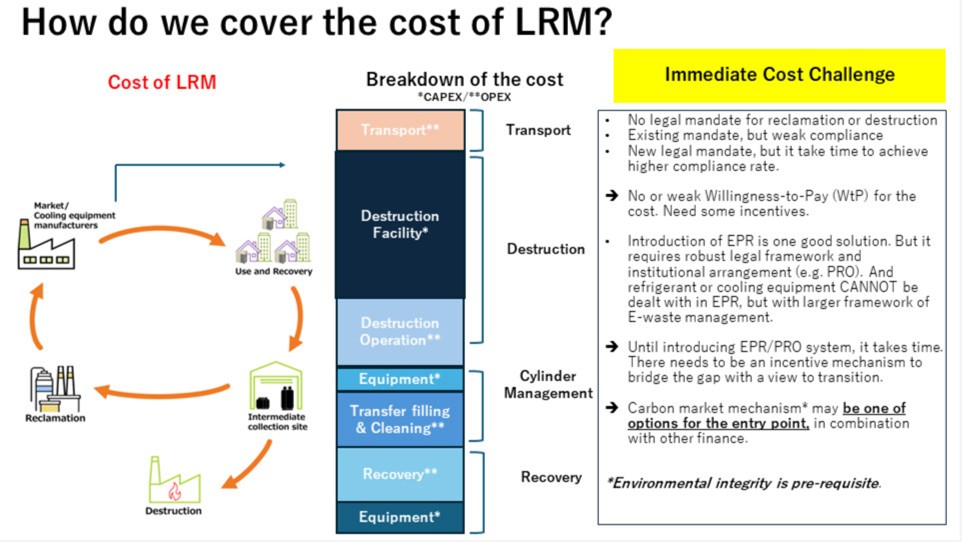
For details such as Mr. Kato’s presentation materials, access to here.
OECC’s Future Outlook
The OECC will further strengthen collaboration with national governments, international organizations, private companies, and other stakeholders to promote the LRM. Specifically, through initiatives such as institutional capacity-building support in developing countries and the implementation of demonstration projects like electronic tracking, the OECC will continue to contribute to reducing GHG emissions and establishing sustainable refrigerant management systems.
Related Links

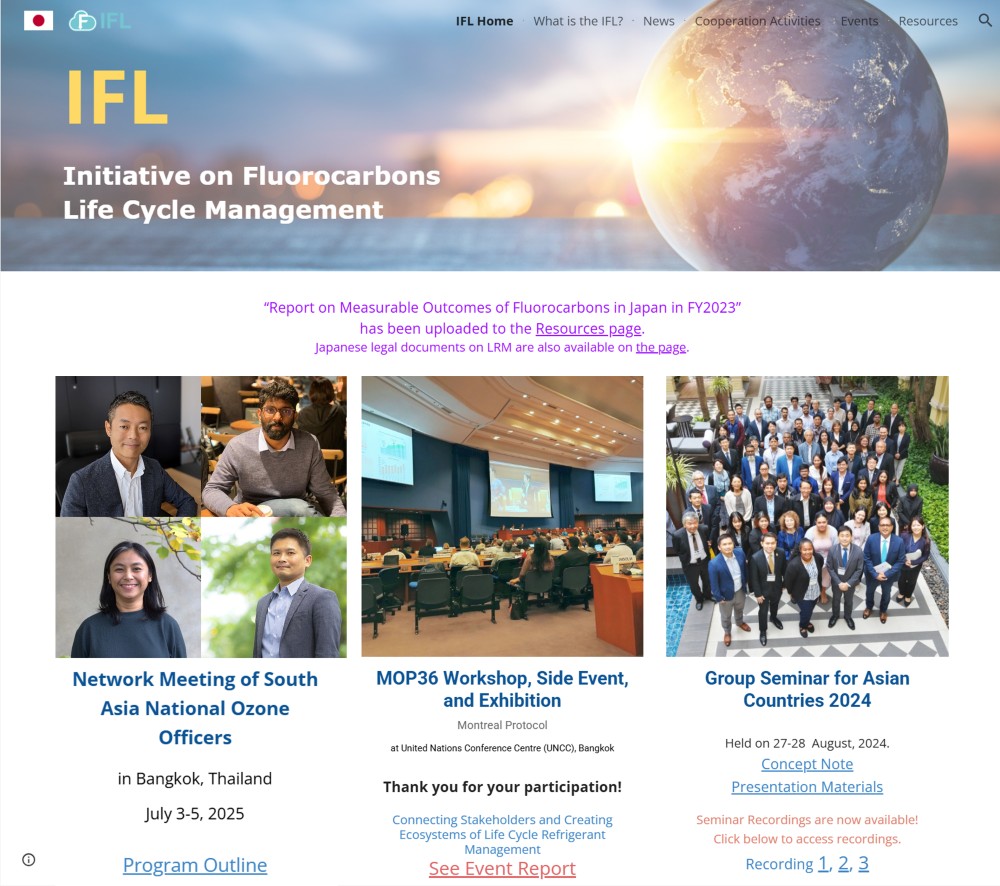
IFL website promotes LRM—from the use of refrigerants to their recovery , reclamation, and destruction—and provides policy support, collaborative actions, resources, and event information.
– Ozone MOP37