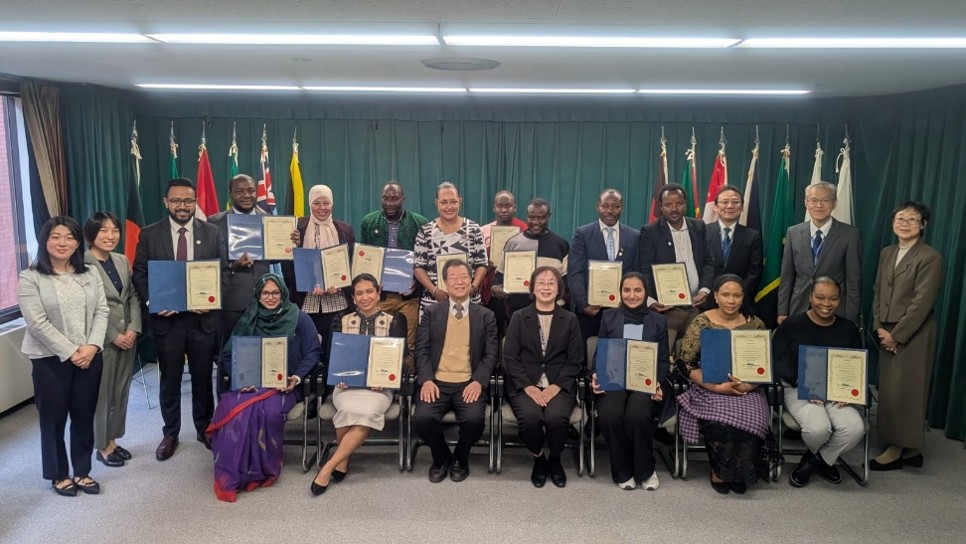
OECC was responsible for planning and implementing JICA’s Knowledge Co-Creation Programme, “Enhancing Access to Climate Finance: Theory and Practice for Practioners” (FY2025), which was held from 1 December 2025 to 30 January 2026.
The programme welcomed a total of 14 participants from 12 countries, including Bangladesh, Cameroon, Egypt, Ethiopia, Fiji, Jamaica, Malawi, Mozambique, Oman, Philippines, Tanzania. While some countries face challenges related to undeveloped institutional frameworks and others to limited human resources, all participants joined the programme with a shared objective: to mobilise climate finance more effectively.
Purpose of the Programme
The programme aimed to strengthen developing counties’ capacity to access international fund such as Green Climate Fund (GCF), one of the world’s largest climate finance funds. It also sought to enhance participants’ ability to develop effective projects that make practical use of climate finance.
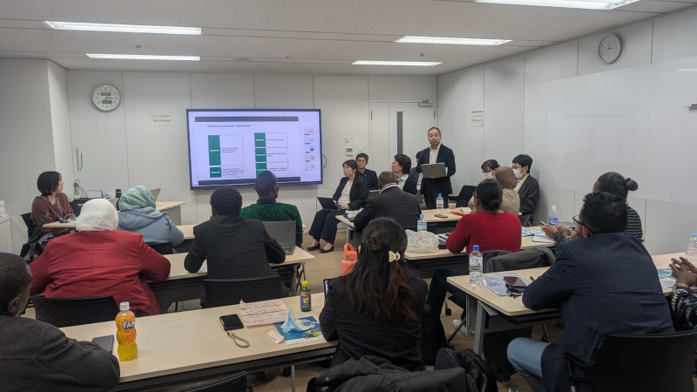
The programme consisted of two parts: a remote component using on-demand videos and Zoom sessions, and an in-person component in Japan. By combining lectures, exercises, groupwork, site visits and discussions, the programme enabled participants to gain a systematic understanding of climate finance and strengthen their ability to apply this knowledge in practical contexts.
Remote Programme
During the remote programme, participants learned about the climate finance framework under the United Nations Framework Convention on Climate Change (UNFCCC), as well as its relationship with the Paris Agreement and Sustainable Development Goals (SDGs). They also deepened their understanding of the Green Climate Fund (GCF), including its institutional arrangement, project cycle and fundamentals of proposal development, thereby acquiring knowledge directly relevant to their professional work.
OECC staff also delivered lectures as instructors, covering a broad range of topics related climate finance, including carbon markets and Article 6 of the Paris Agreement, adaptation measures, Nature-based Solutions (NbS), Ecosystem-based Adaptation (EbA), climate change negotiations and reporting frameworks. This year, lecturers who had delivered on-demand videos were invited to join the in-person component in Japan, where participants had the opportunity to engage in face-to-face question and answer sessions and discussions at the OECC office, further deepening their understanding.
Programme in Japan
During the programme in Japan, participants deepened their understanding of Japan’s climate change policies and technologies, and on-the-ground initiatives through lectures and site visits. They also studied the concept of Project Cycle Management (PCM) to strengthen their capacity to develop their final action plans.
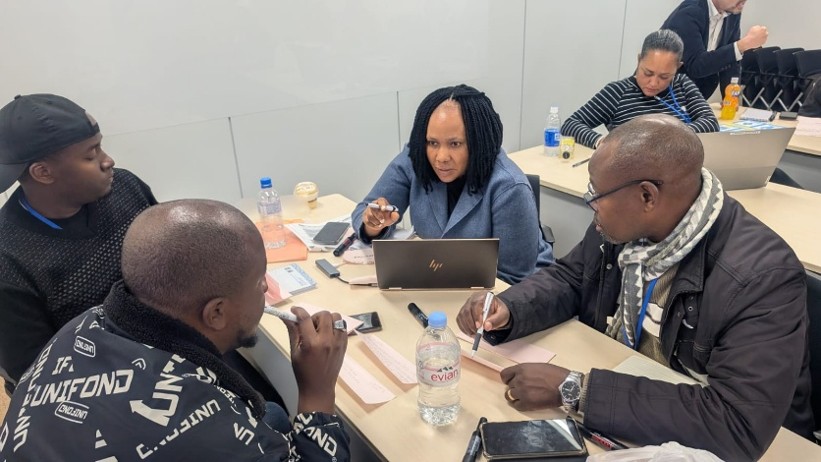
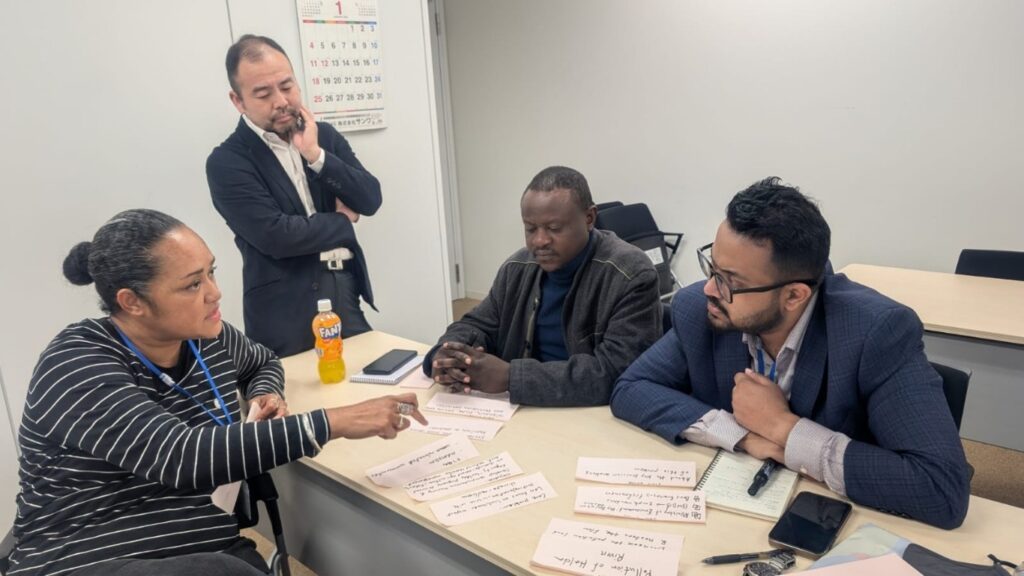
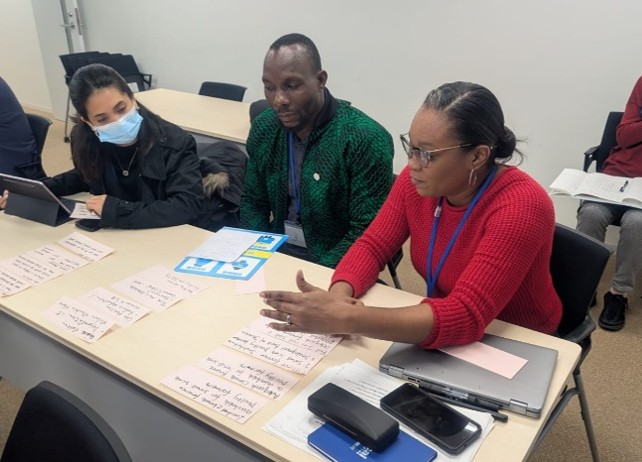
In the PCM exercises, participants learned a series of processes, including stakeholder analysis, problem analysis, objective analysis and the preparation of a Project Design Matrix (PDM), before proceeding to develop their final action plans.
Throughout the action plan development process, participants repeatedly undertook exercised in small groups. They brought forward challenges from their own countries, engaged in discussions and deepened their analysis. Exchanges among participants from diverse background generated new perspective and led to more practical consideration of possible approaches.
Furthermore, lectures on JICA’s activities of the GCF, the Government of Japan’s green transformation, and emission trading systems helped participants deepened their understanding of mechanisms for mobilising finance at policy level. Drawing on these insights, and lessons gained through group work, participants refined their action plans in line with the circumstances of their respective countries.
Site Visits
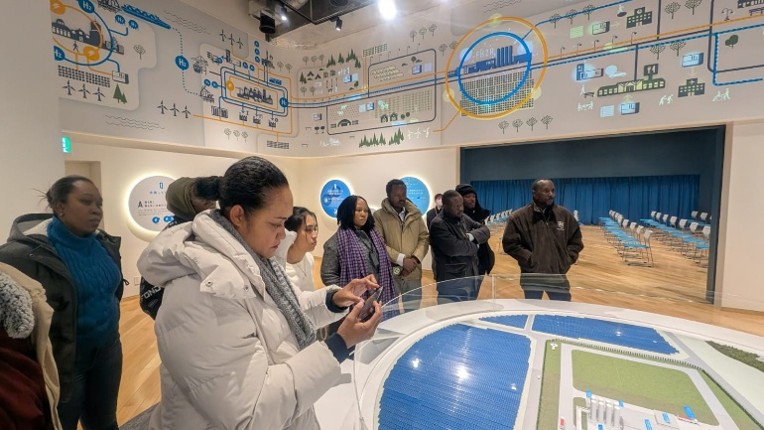
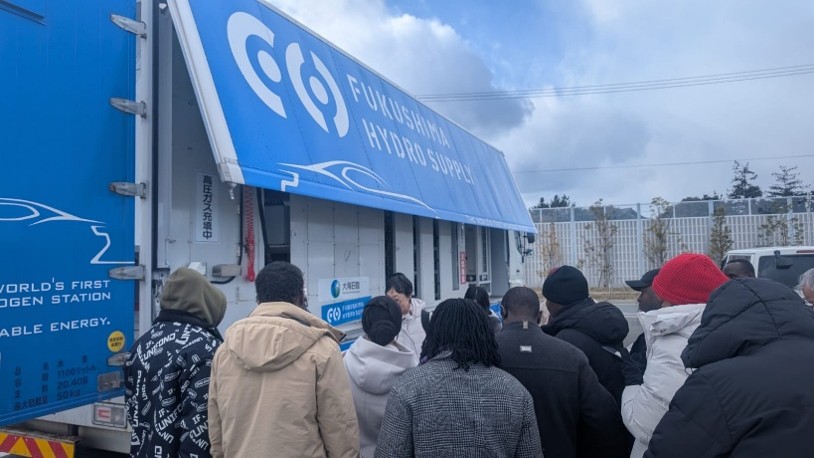
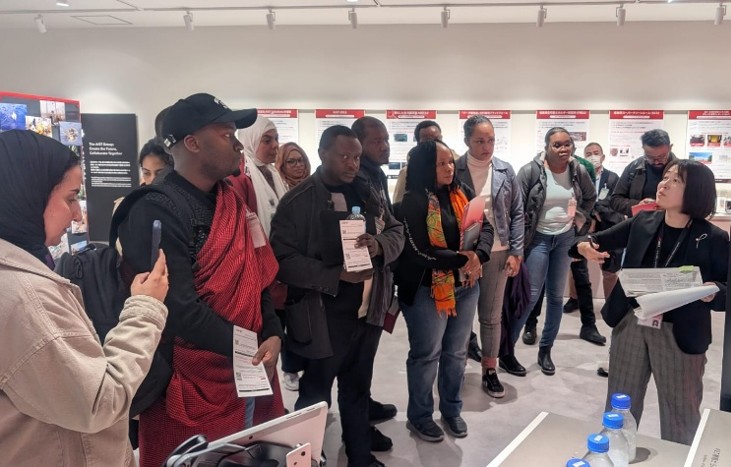
During their stay in Japan, participants visited research institutions, local government and private companies, mainly in Tsukuba, Tokyo, Saitama and Fukushima, to learn first-hand about Japan’s advanced initiatives.
In addition to research institutes such as the National Institute for Environmental Studies and the Forestry and Forest Products Research Institute, participants visited sites related renewable energy and hydrogen, climate-smart agriculture, disaster risk reduction and reconstruction. Through these visits, they were exposed to concrete examples based on evidence-based policy making and technology implementation.
Development of Action Plans and Outcomes
These action plans went beyond initial ideas and were organised as concrete project concepts with a view to future applications to the GCF and other funding sources. They were practical in nature, considering not only alignment with national policies and development plans, but also implementation arrangements and the potential for finance mobilisation. Drawing on the PCM methodology and policy insights gained through the programme, each participants developed action plan suited with their national context.
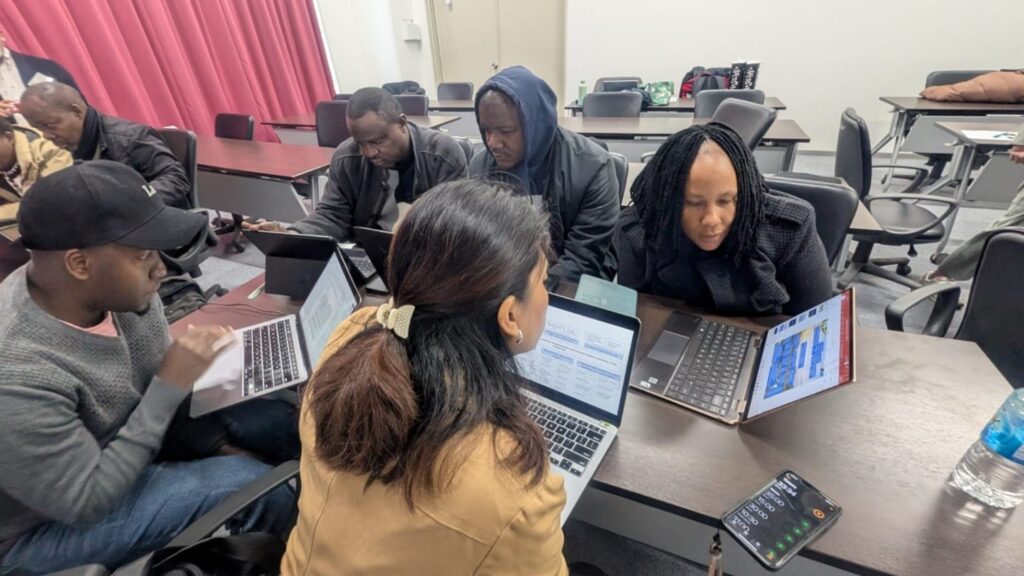
In preparing the action plans, participants repeatedly engaged in group work and discussion with OECC staff. Through this process of dialogue, their understanding of the issues became clearer, and their plans were gradually made more concrete. Feedback from participants from different countries provided new insights and perspectives, offering an important opportunity to examine feasibility in greater depts. The action plans refined through this process are expected to be used in future project formulation and funding applications and, ultimately policy making.
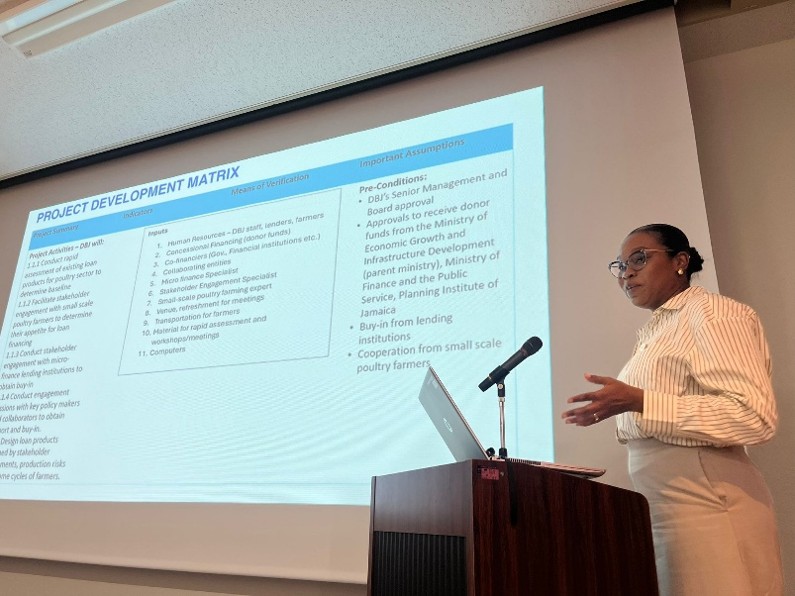
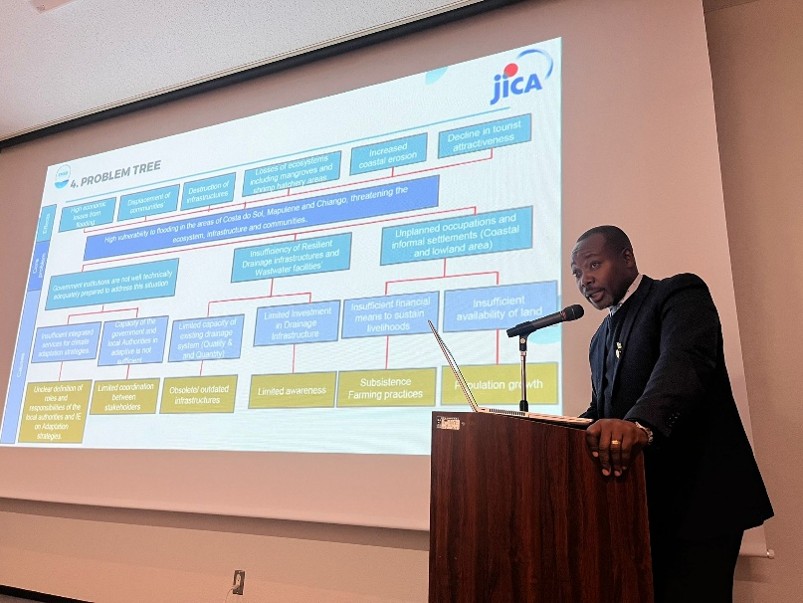
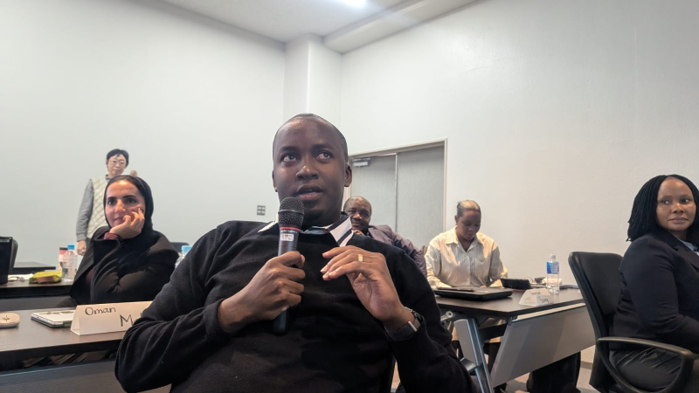
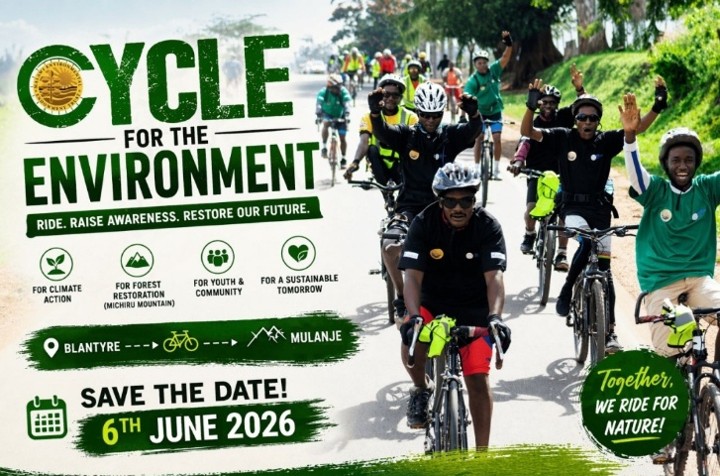
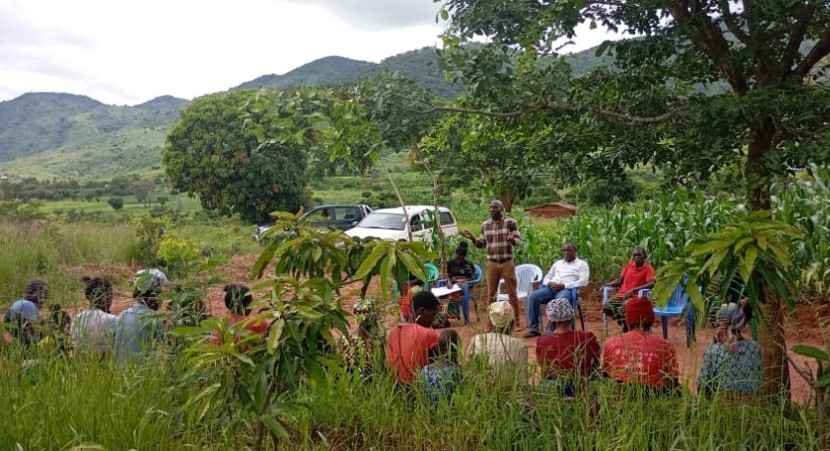
The outcome of the programme is already beginning to take shape as concrete actions in participants’ home countries. A participant from Malawi, shortly after returning home, organised a stakeholder consultation with local stakeholders and began discussions towards the implementation of the action plan developed during the programme. Moreover, the same participant also reported to hold a local awareness-raising event to promote bicycle use as a means of reducing environmental impact, inspired by the experience during the programme in Japan, when they used bicycles to travel between JICA Tsukuba Centre and nearby facilities. This initiative is a good example of how learning from the programme is leading to social implementation and behavioural change on the ground.
The knowledge and experience gained through the programme appear to be beginning to extend beyond policy discussions in each country, reaching practical action and awareness-raising at the citizen level.
Conclusion
OECC will continue to make use of the knowledge and networks developed through this programme, contributing to advancement of climate change action in participating countries and to the realisation of a sustainable society.