Event Details
| Date |
8:30-9:45am (Eastern African Time), November 3, 2025 |
| Participants |
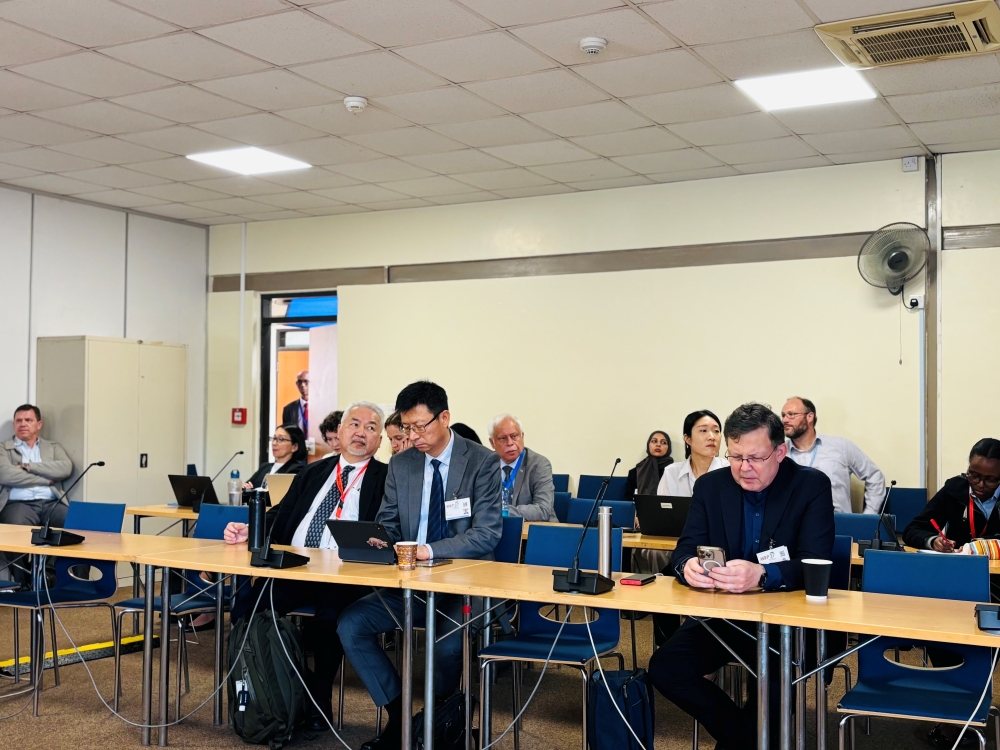
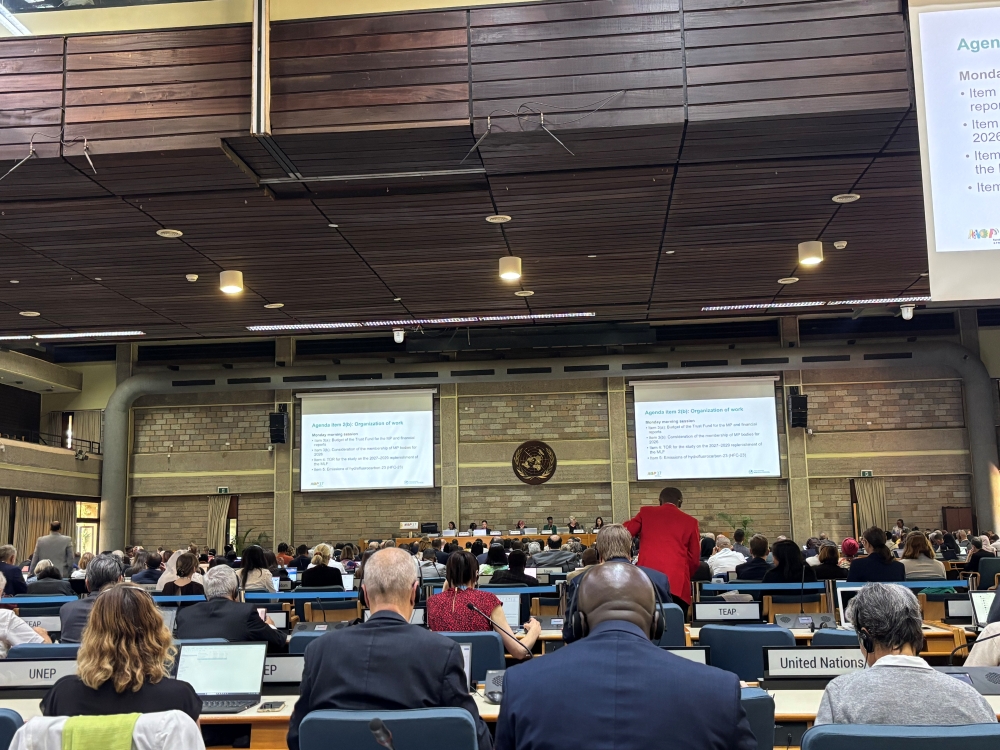
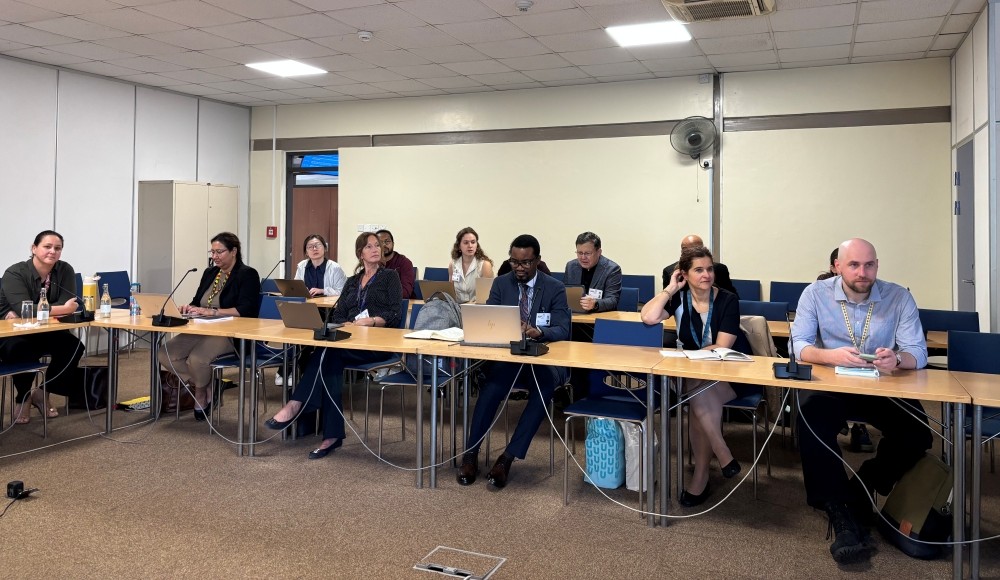
More than 100 participants from government, international organizations, research institutions, NGOs, private sectors, and other relevant entities |
| Objectives |
- To take stock of the progress of the work of the Cooling Hub of the focus areas
- To share the planned activities related to the Cooling Hub in MOP37 in Nairobi, as well as UNFCCC COP30 in Belem
- To share indicative ideas on activities that might be included in the plan of 2026
|
Meeting Agenda
Please slide sideways the programme or rotate your device to view all content.
Meeting Content
Since the updated priority areas endorsed in the Board Meeting in 2024, the Cooling Hub and its partners have actively engaged in activities related to Lifecycle Refrigerant Management (LRM), Environmental Dumping of Cooling Appliances, Cooling Efficiency, as well as Finance.
At this meeting, progress in activities planned for 2025 was shared, and discussions were held on planned activities for 2026, focusing on three thematic areas: (i) lifecycle refrigerant management (LRM), (ii) energy efficiency, and (iii) environmental dumping.
Regarding with LRM, the meeting featured initiatives in developing countries. This includes cases of development of legal frameworks, including Viet Nam, Turkey, Grenada, and Cambodia. In addition, information was shared on the following:
- Progress made in the development of ODS/HFC bank inventories
- Case studies of the establishment of end-of life refrigerant destruction facilities, primarily through UNIDO’s RRR projects (e.g., Egypt, Tunisia)
- Experiences with the destruction of end-of-life refrigerants using voluntary carbon credit schemes (e.g., Tradewater, A-Gas)
- Case study that regeneration or destruction is carried out through transboundary movement of refrigerants
- Approaches to addressing Basel Convention requirements etc.
It was strongly recognized that Lifecycle Refrigerant Management is now moving beyond the discussion phase and has entered into a concrete implementation stage.