2025.10.31
OECC’s Contributions to TEMM26
Behind the Scenes of Environmental Dialogue Fostering Cross-Border Cooperation
26 Years of Trilateral Environmental Cooperation
The Tripartite Environment Ministers Meeting (TEMM) among China, Japan, and Korea was launched in 1999. Serving as a high-level platform for dialogue, TEMM brings together the environment ministers of the three core countries of Northeast Asia to strengthen cooperation on regional and global environmental challenges. The meeting is convened annually on a rotating basis among the three countries.
Over the past 26 years, TEMM has addressed shared environmental issues such as air pollution, dust and sand storm reduction, waste management, chemical management, and biodiversity conservation. Its scope has expanded to include environmental education, youth exchange programs, and technical collaboration among industries, fostering a foundation of trust and partnership. This 26-year continuity underscores the growing maturity of regional environmental cooperation.
Building Consensus Through Careful Preparation and Dialogue
Although TEMM convenes only once a year, multiple preparatory meetings are held among the three countries to lay the groundwork for the annual session. In its role supporting Japan’s Ministry of the Environment, OECC has been instrumental in drafting meeting documents, shaping agenda proposals, and coordinating positions to facilitate consensus-building. These meticulous “behind-the-scenes” efforts have ensured smooth proceedings during the official meeting and enabled the successful adoption of outcome documents.
A Trilateral Agreement Toward a Sustainable Future
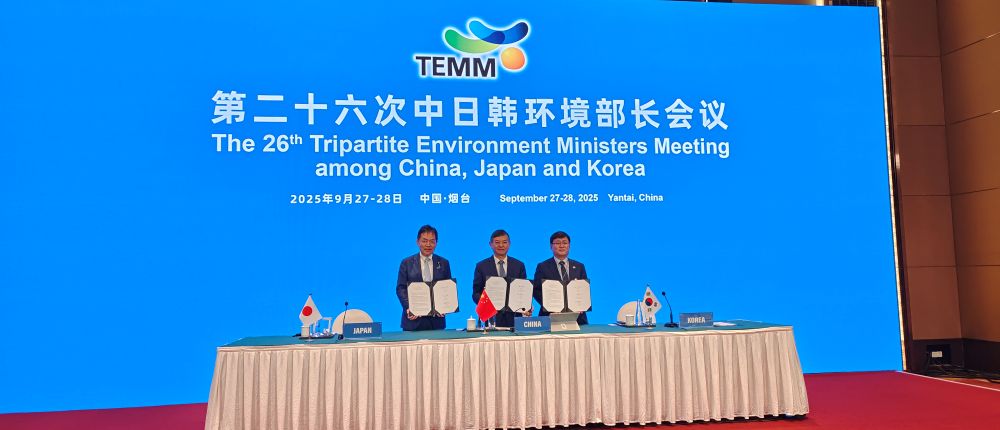
The 26th Tripartite Environment Ministers Meeting (TEMM26) took place in Yantai, China, from September 27 to 28, 2025. Environment ministers from China, Japan, and Korea gathered to review the achievements of the Tripartite Joint Action Plan 2021–2025 (TJAP 2021–2025) and to exchange views on future cooperation in areas such as climate change, biodiversity, and 3R/Circular Economy/Zero Waste City.
At the meeting, the ministers adopted the new Tripartite Joint Action Plan for Environmental Cooperation 2026–2030 (TJAP 2026–2030), which outlines priorities for the next five years. The plan sets eight priority areas—including air quality, climate change, biodiversity, 3R/Circular Economy/Zero Waste City, and environmental education—and reaffirms the commitment to promoting practical cooperation through policy dialogue, technical collaboration, and joint research.
The Joint Communiqué further underscored shared commitments to advancing the transition to a green and low-carbon society, achieving carbon neutrality, strengthening marine and water environment management and implementing plastic pollution measures, and responding to invasive alien species, among other regional and global challenges. TEMM26 marked a pivotal milestone, charting the course for trilateral environmental cooperation over the next five years.
OECC’s On-Site Support and Multifaceted Contributions
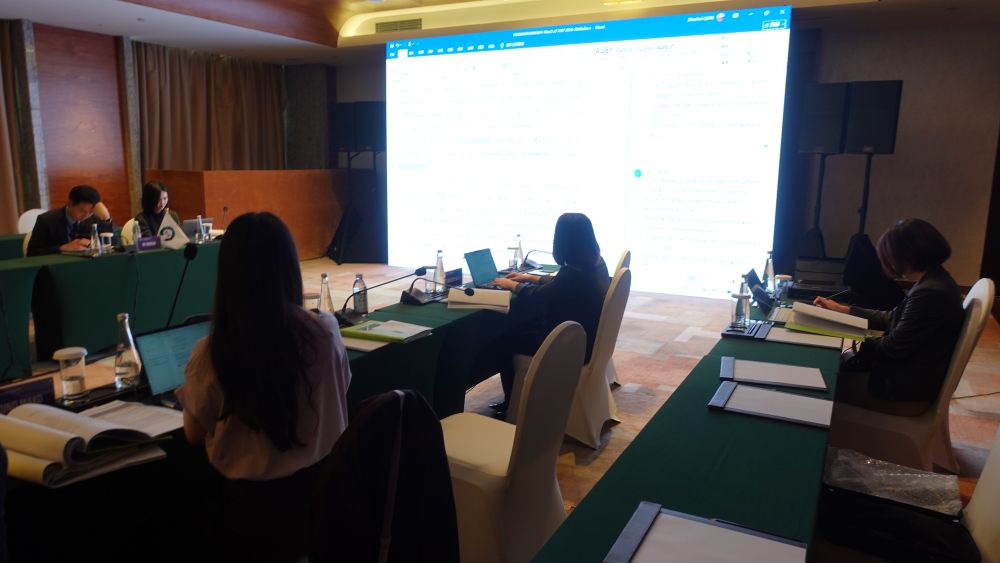
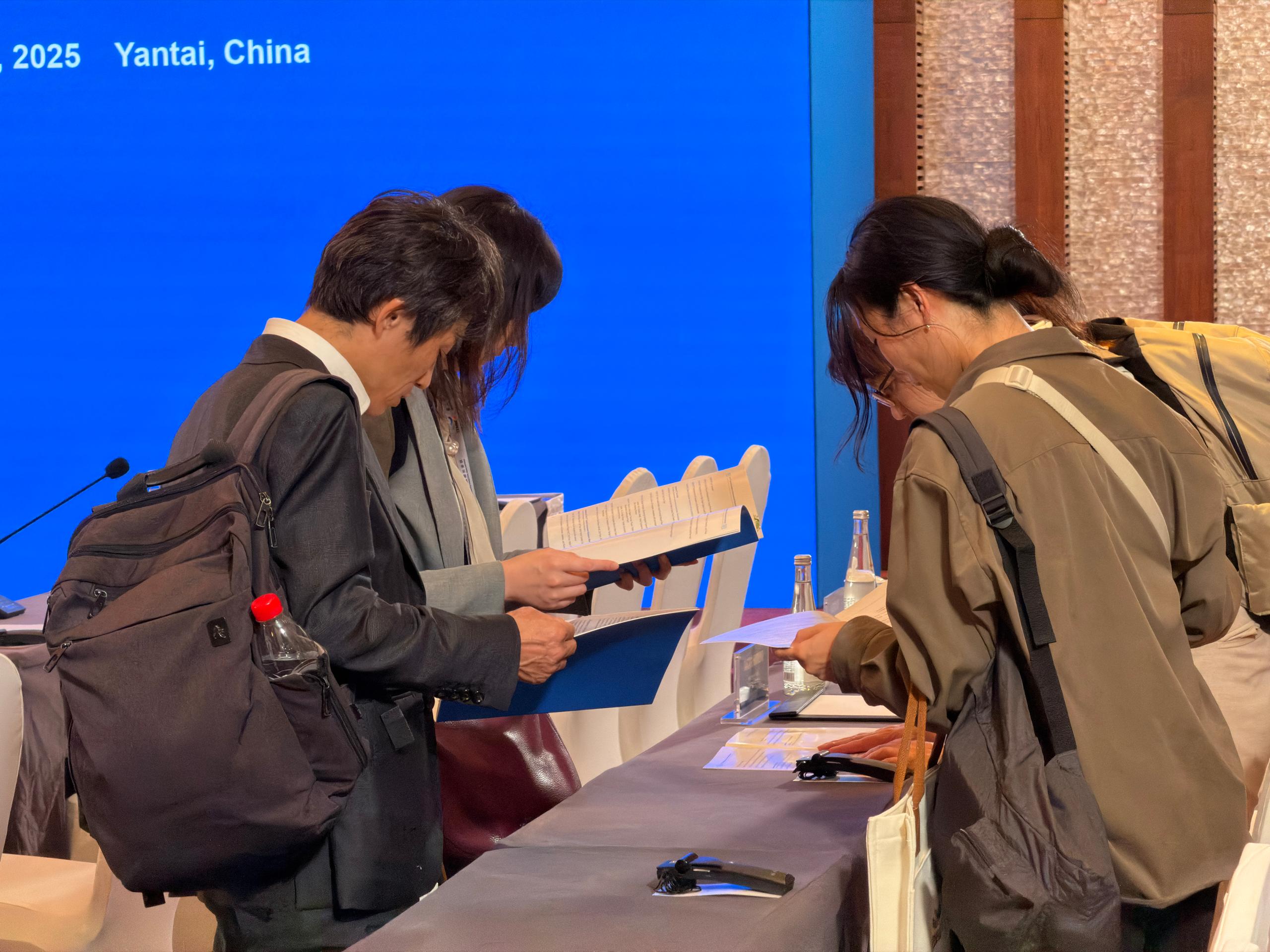
Under commission from Japan’s Ministry of the Environment, OECC provided comprehensive operational support for TEMM26 and its associated events. Our responsibilities spanned a wide range of essential tasks, including interpreter coordination, translation, preparation of meeting materials, and production of minutes and summary reports.
On site, last-minute updates to documents and agendas were not uncommon, requiring flexible and rapid responses. Leveraging extensive experience and strong teamwork, OECC staff ensured an environment where the three countries could engage in discussions with confidence.
OECC also played a central role in organizing key side events:
・Tripartite Roundtable on Environmental Business (TREB): Industry leaders, research institutions, and financial organizations shared initiatives on decarbonization and the circular economy under the theme “Green and Low-Carbon Transition” and explored opportunities for collaboration.
・Youth Forum: Young representatives from the three countries presented proposals under the theme “From Initiative to Impact: Youth Empowerment Toward Climate Resilient Communities” and reported their ideas directly to the ministers.
・TEMM Environment Awards: Experts who have long contributed to regional environmental research and air quality monitoring were honored, reaffirming the importance of scientific knowledge-sharing and human resource development.
These programs exemplify the diverse forms of collaboration supported by OECC on the ground and demonstrate our commitment to creating platforms for cooperation across countries, generations, and sectors.
Carrying Forward the Power of Dialogue into the Next Stage of Cooperation
At TEMM26, the environment ministers of China, Japan, and Korea reaffirmed three shared priorities: deepening trilateral cooperation, strengthening the linkage between science and policy, and fostering the next generation. Building on its extensive field experience and technical expertise, OECC will continue to serve as a trusted partner in regional cooperation—facilitating environmental dialogue and promoting collaboration among government agencies, the private sector, and youth networks.
Addressing environmental challenges requires mutual understanding across diverse perspectives and coordination grounded in trust. OECC remains committed to carrying forward this 26-year legacy of collaboration and contributing to Asia’s sustainable development in the years ahead.