2026.11.11
Report on the Study Visit to Japan by Turkish Experts to Discuss ODS/HFC Banks Management and the Mobile Air Conditioning Sector
OECC planned and organized a study visit to Japan on refrigerant management and the mobile air conditioning sector, hosted by the United Nations Industrial Development Organization (UNIDO). Approximately 20 participants from Türkiye’s Directorate General of Climate Change and UNIDO took part in the program, including Deputy Director of Climate Change Mehrali ECER.
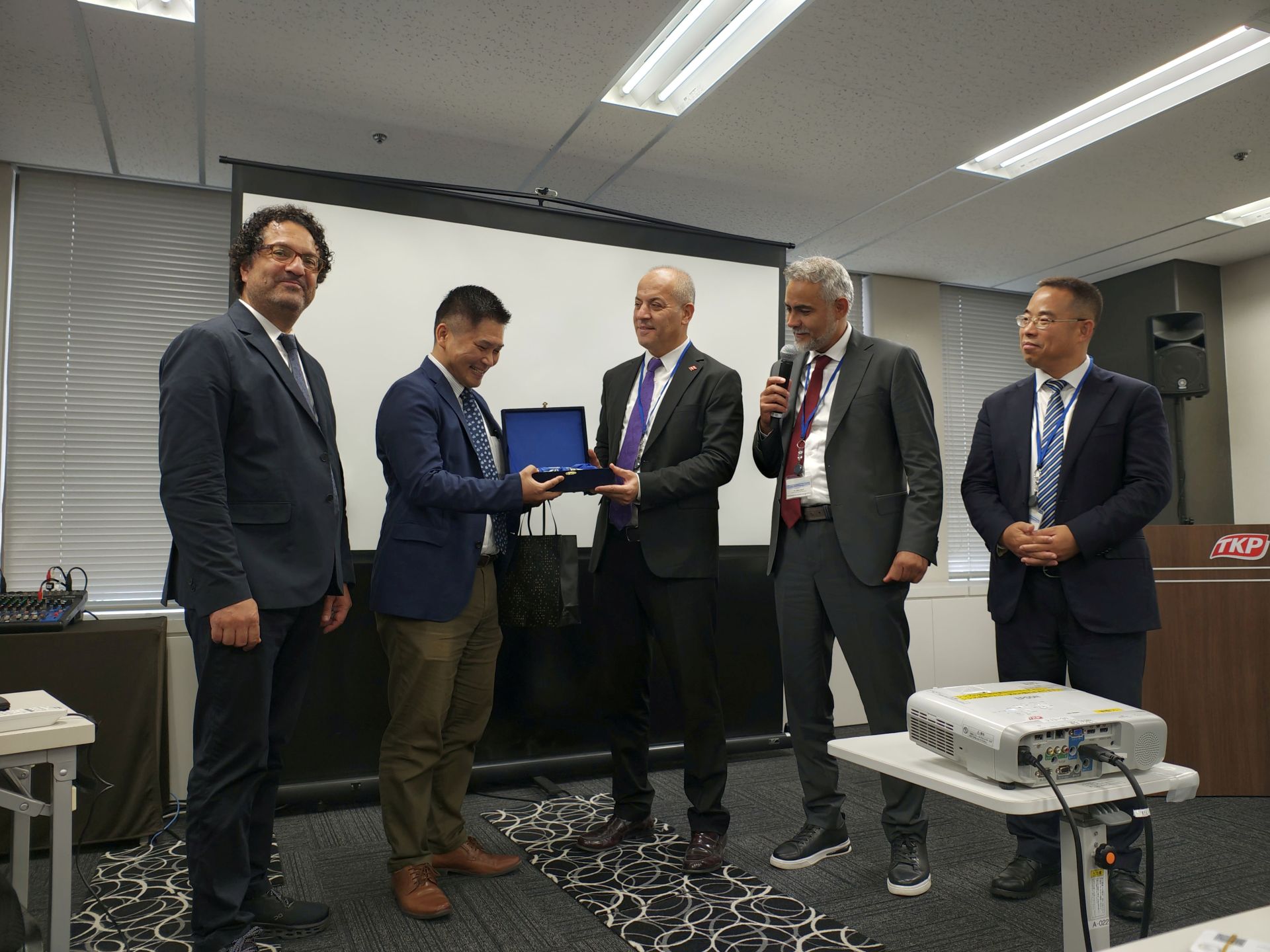
Roles of OECC
Drawing on its experience in planning and managing training programs, OECC was responsible for developing the program, coordinating with host organizations and lecturers, and arranging the overall itinerary. OECC also shared with participants the knowledge and expertise on climate change mitigation and ozone layer protection it has gained through its work spanning both topics.
Program
Refrigerants are substances used to transfer heat in equipment such as air conditioners and refrigeration systems. Lifecycle Refrigerant Management (LRM), which ensures the proper management of refrigerants throughout their lifecycle, from use to recovery and treatment, is an area that bridges the two international frameworks addressing climate change and ozone layer protection.
Under the Montreal Protocol, which aims to protect the ozone layer, the Kigali Amendment calls for a gradual phase-down in the production and consumption of hydrofluorocarbons (HFCs). Although HFCs do not deplete the ozone layer, they are potent greenhouse gases. Transitioning to refrigerants with lower global warming impacts and preventing refrigerant emissions into the atmosphere contribute to climate change mitigation. Improving the energy efficiency of equipment can also deliver additional energy-saving benefits.
Drawing on its expertise in climate change mitigation, OECC supports the implementation of LRM under the framework of the Montreal Protocol, helping to bridge climate action and ozone layer protection.
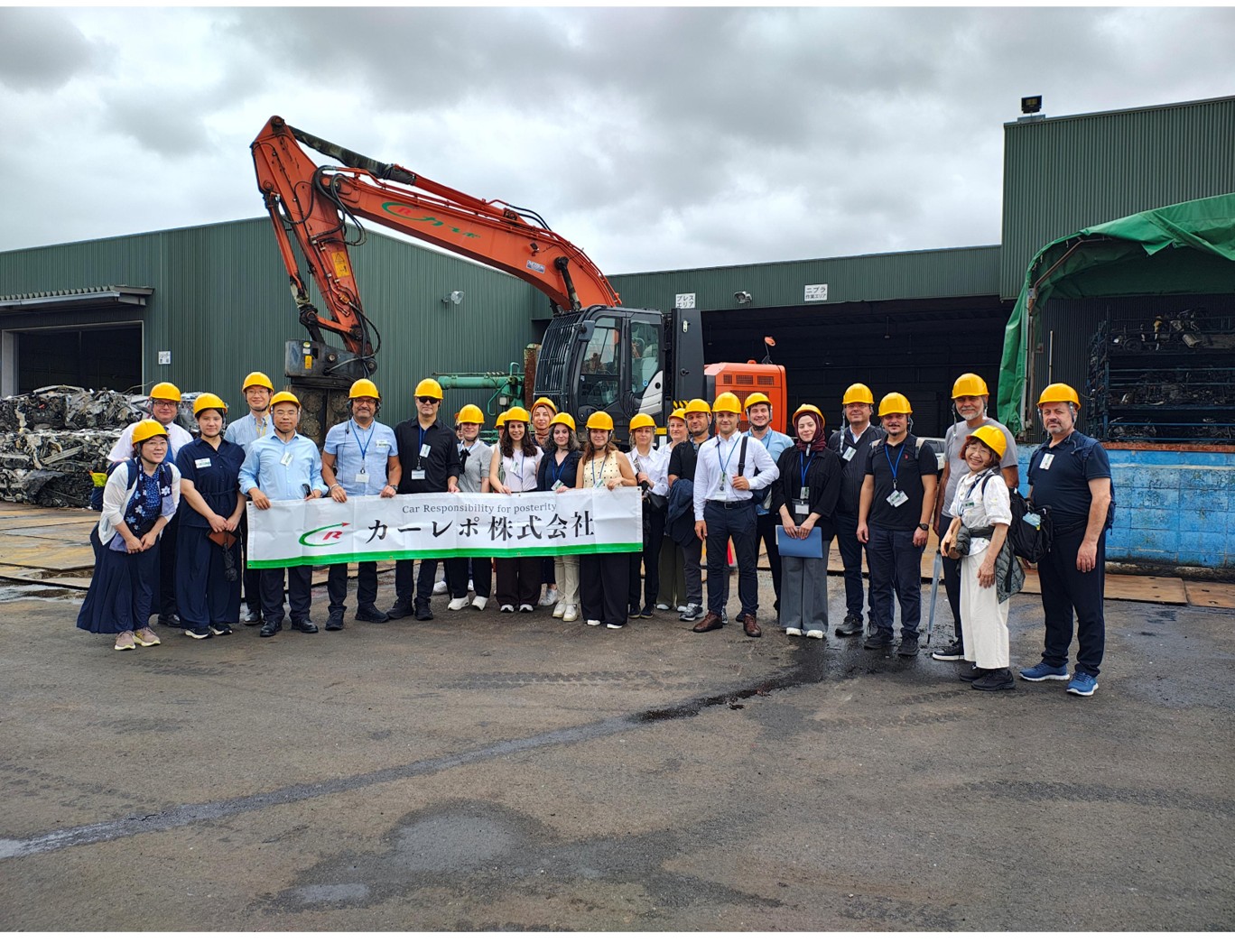
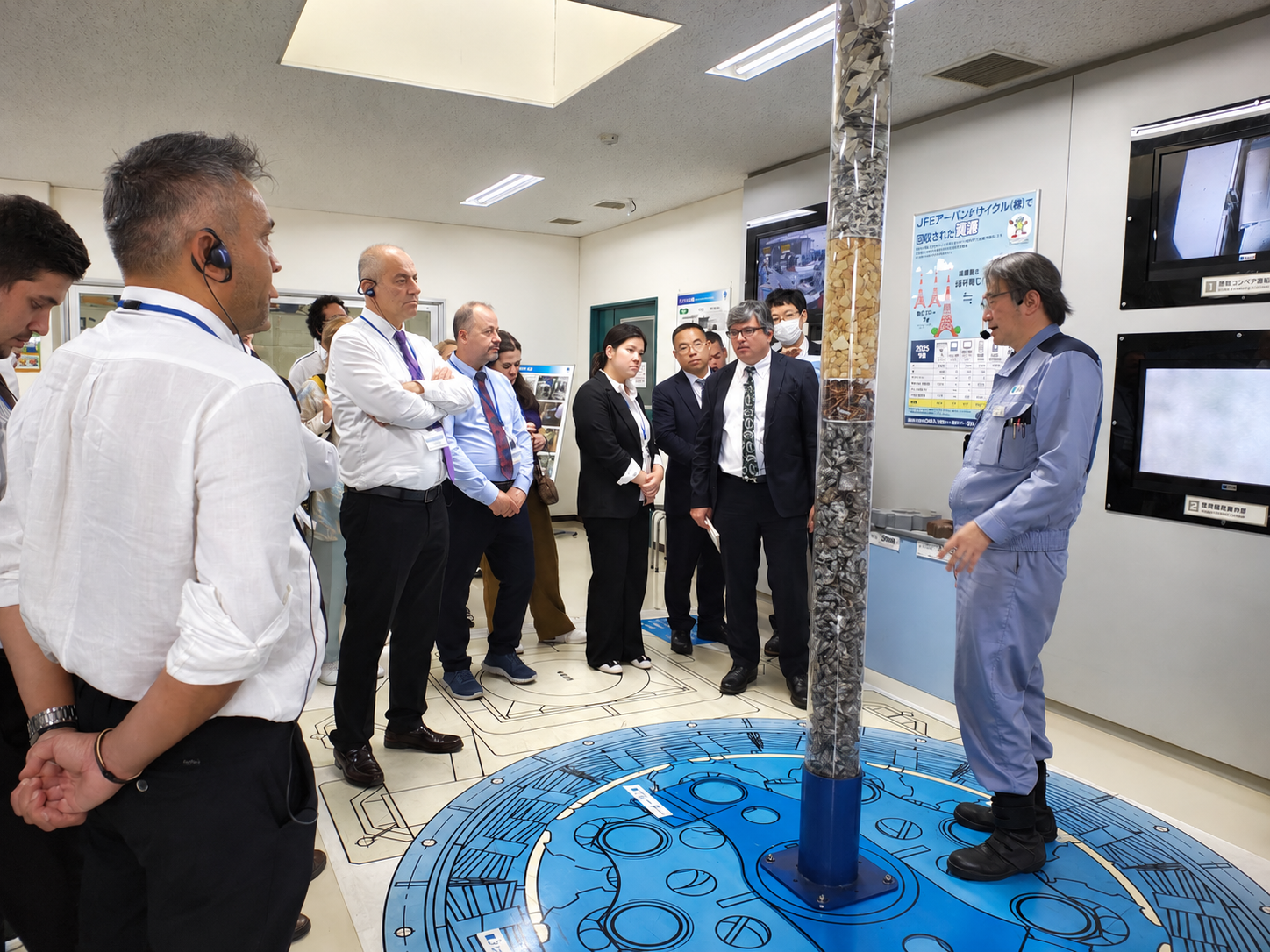
With support from UNIDO, Türkiye is implementing a Kigali Implementation Plan project to achieve its HFC consumption phase-down targets under the Kigali Amendment. To date, efforts have focused on transitioning refrigerants used in refrigeration and air conditioning equipment to alternatives with lower global warming impacts. In addition, there is a developing need to establish systems for the recovery and treatment of used refrigerants and to address refrigerant management in mobile air conditioning systems.
The program covered refrigerant management from three perspectives: policy and regulation, technology, and financing.
On the regulatory side, participants learned about Japan’s legal framework including Ozone Layer Protection Law, Act on Rational Use and Proper Management of Fluorocarbons, Home Appliance Recycling Law, and Automobile Recycling Law.
During site visits, participants learned about methods for recovering refrigerants from end-of-life vehicles and household appliances, as well as technologies for “reclamation,” which enables recovered refrigerants to be reused, and “destruction,” which breaks down refrigerants that are unsuitable for reclamation. They also visited a technician training facility focused on preventing refrigerant leakage and ensuring proper recovery, as well as a manufacturing plant for commercial refrigeration equipment using natural refrigerants.
From a financing perspective, participants explored mechanisms that can make refrigerant recovery, reclamation, and treatment economically sustainable.
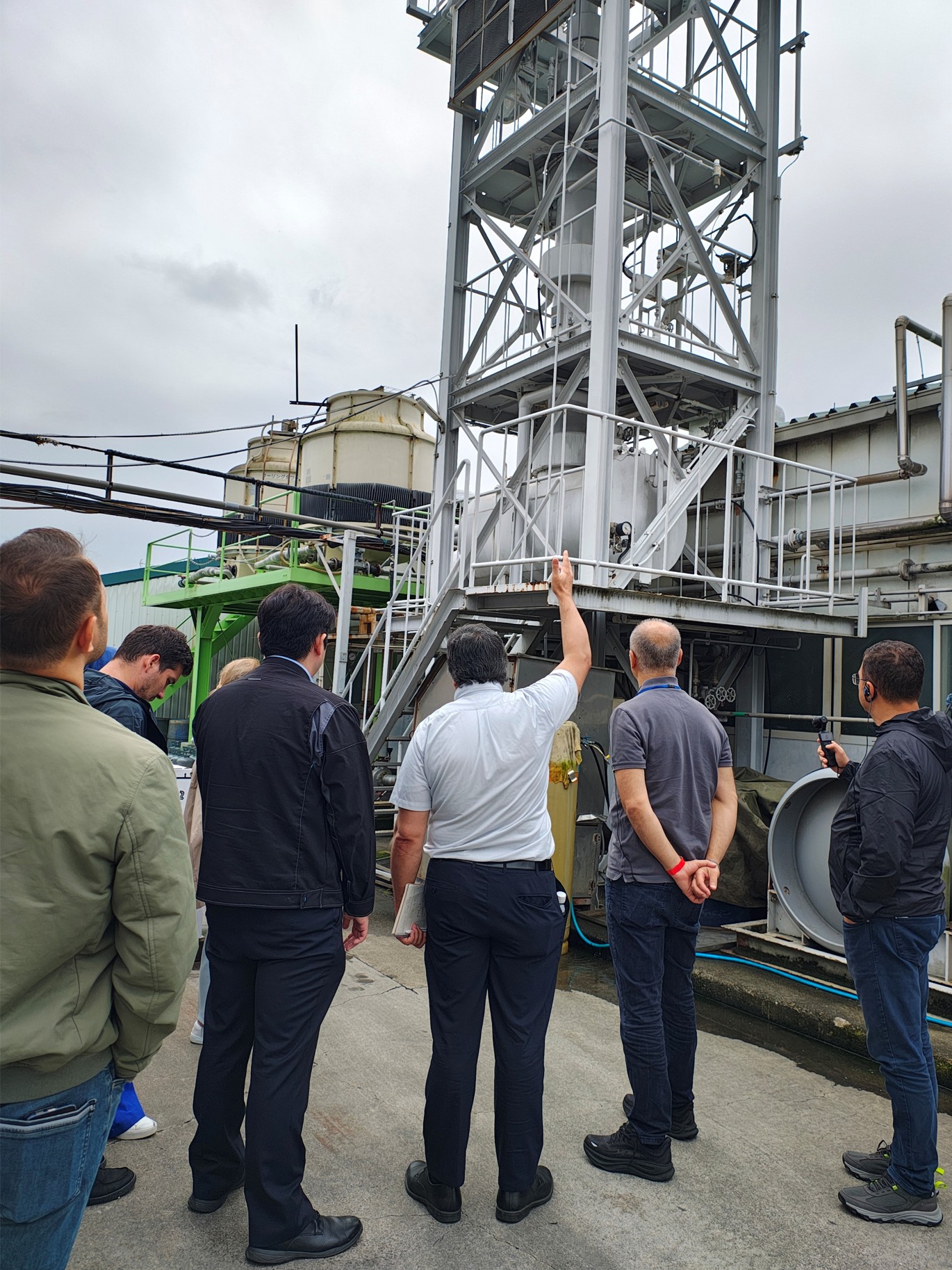
Participants also discussed how unwanted HFCs can be collected and properly managed. HFCs used as refrigerants are colorless and odorless, making releases into the atmosphere difficult to detect by sight or smell. Accordingly, effective recovery requires not only regulatory measures but also mechanisms that encourage proper collection while taking into account the costs and effort involved in recovery, transportation, and treatment.
At the same time, as the Kigali Amendment reduces the amount of HFCs that can be newly produced or imported, expectations are growing for the reuse of recovered refrigerants.
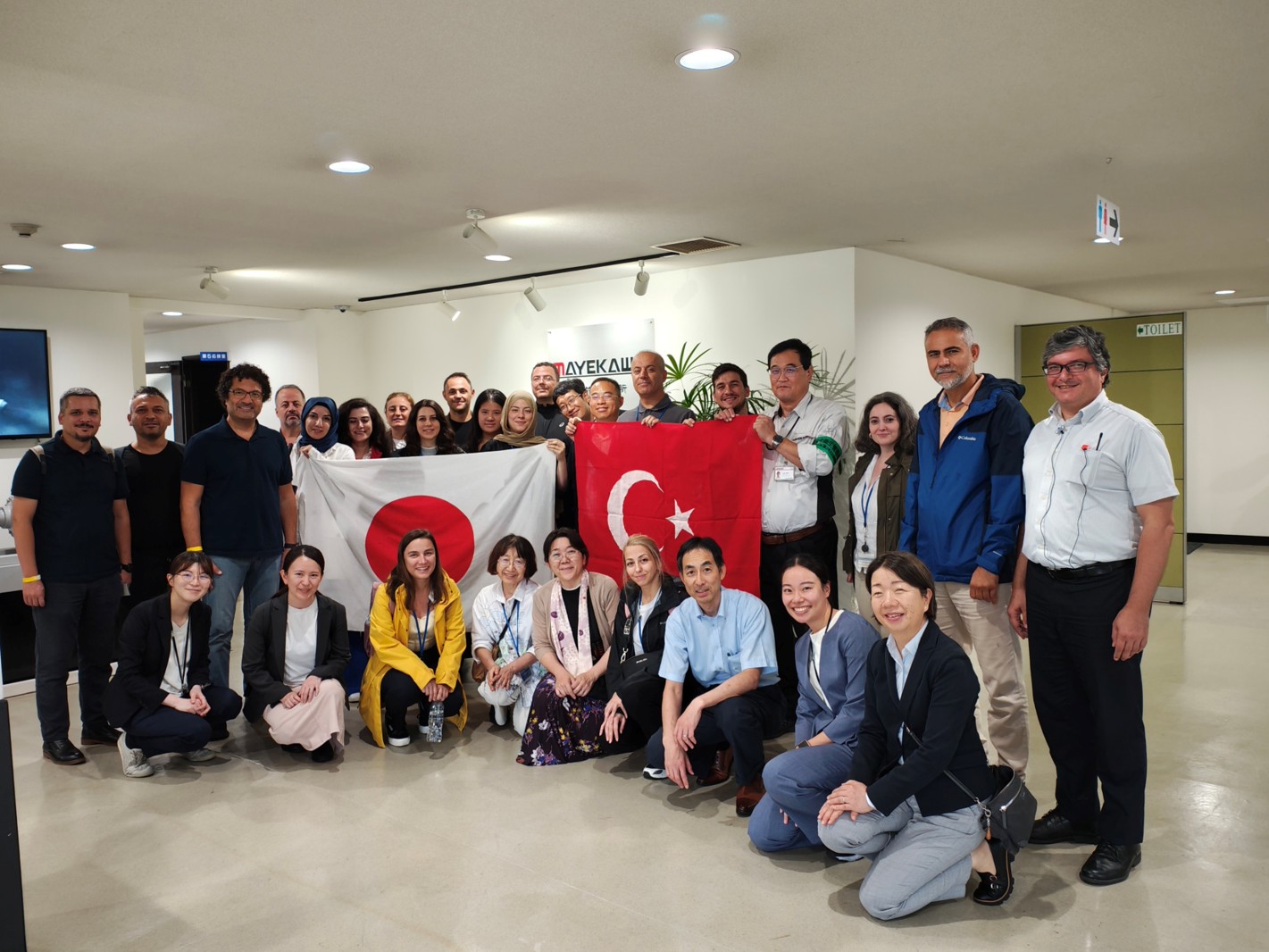
Türkiye hosted and presided over the 31st Conference of the Parties to the United Nations Framework Convention on Climate Change (COP31) in 2026. During the visit to Japan, in addition to the training on refrigerant management, participants exchanged views on further cooperation in the areas of climate action and implementation of the Montreal Protocol.